

Towing Plans Begin With the Right Truck Configuration in Hamilton, MT
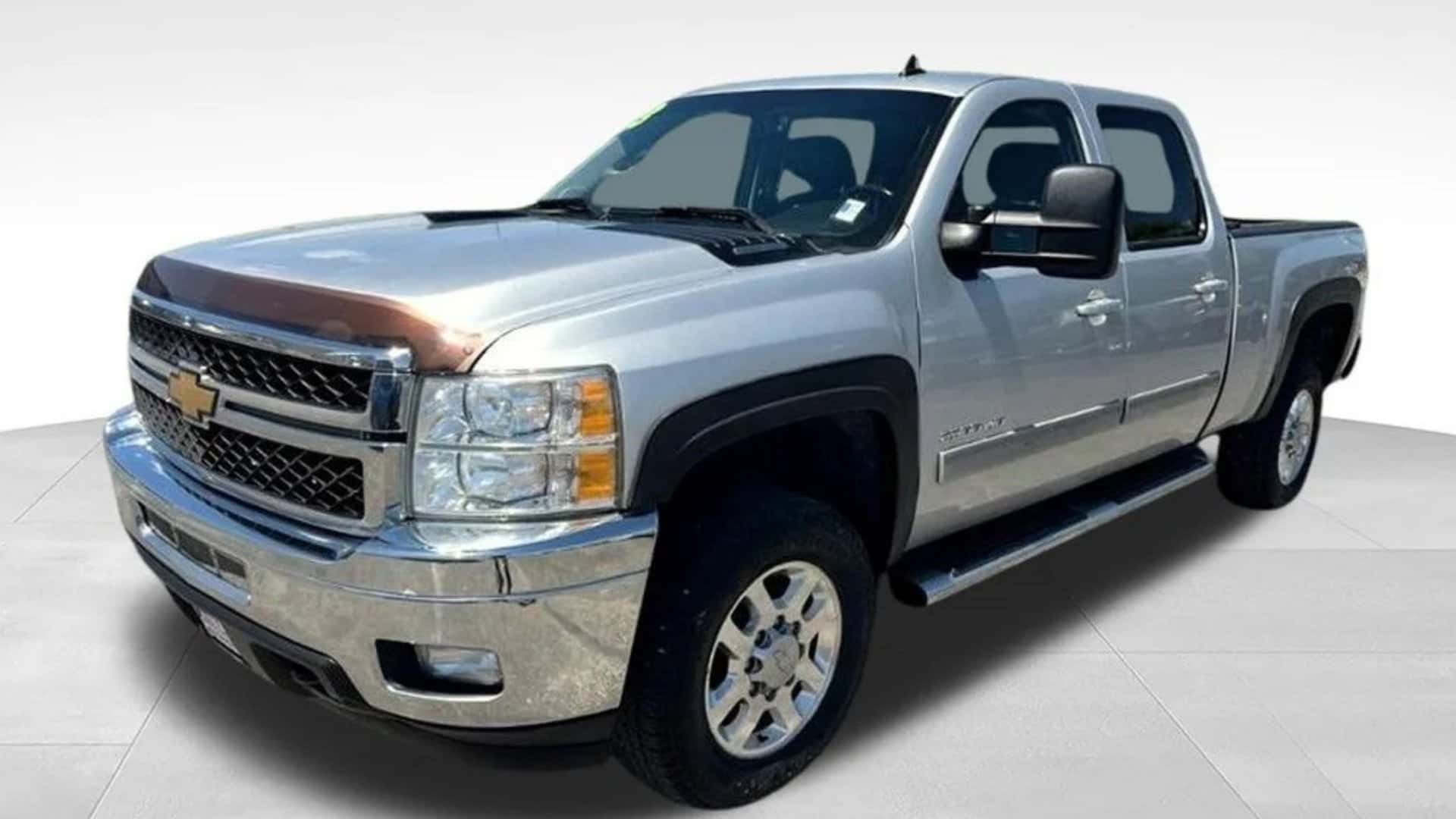
Planning to tow with a truck begins long before a trailer is connected and the road opens ahead. For drivers in Hamilton, MT, a pickup may need to handle everyday commuting, household projects, outdoor recreation, cargo hauling, and occasional or frequent trailer use within the same ownership experience. That makes configuration an important part of the shopping process because the right choice should support both towing plans and the routines that fill most days. Truck size, cab layout, bed configuration, drivetrain, passenger needs, cargo habits, and expected trailer use can all shape how practical a pickup feels once it becomes part of daily life. Buyers also benefit from looking beyond a single capability figure and considering how passengers, gear, road conditions, and trip frequency fit into the overall picture.
Starting with everyday truck needs
A strong towing plan begins with understanding how a Truck will function during ordinary driving. Most owners still spend significant time commuting, running errands, carrying passengers, transporting gear, or completing routine household tasks between towing trips. Cab space, bed utility, parking requirements, passenger needs, and typical road conditions can therefore be just as relevant as trailer use when narrowing the choices. Looking at these daily priorities first helps shoppers avoid selecting a configuration that offers unnecessary capability at the expense of convenience.
What should a first-time truck buyer consider before planning to tow?
A first-time truck buyer should begin by identifying the type of trailer that is likely to be used and how frequently towing will occur. Occasional recreational trips can create a different set of priorities from regular equipment hauling, property work, or repeated long-distance travel with a trailer. Buyers should also consider the passengers, tools, camping gear, recreational equipment, and other cargo that may be carried during those trips because towing rarely happens with an otherwise empty vehicle. Daily driving deserves equal attention since the truck still needs to feel manageable during commuting, shopping, parking, and local travel throughout Hamilton.
Can a towing-focused truck still work well for daily driving?
A truck chosen with towing in mind can still serve comfortably as an everyday vehicle when its overall size and configuration match the driver’s normal routine. Buyers should think about how often they travel through town, where they usually park, how many passengers ride along, and how much cargo they typically carry without a trailer. A larger configuration may provide useful capability for demanding trips, but it can also require additional consideration when navigating tighter parking spaces or confined areas. Cabin comfort, outward visibility, storage, seating position, and ease of loading can become especially important because owners interact with those features on nearly every drive.
How does cab and bed configuration affect practical truck ownership?
Cab and bed configuration can influence passenger comfort, cargo flexibility, maneuverability, and the way a truck fits into everyday ownership. Buyers who regularly transport family members, friends, or coworkers may place greater value on rear seating room and convenient cabin access. Drivers who frequently carry tools, recreational equipment, home improvement supplies, or other bulky items may give more attention to usable bed space. Longer overall configurations can support certain cargo needs, but they may also require additional planning in parking areas and narrow spaces.
Matching truck configuration to towing plans
With everyday needs established, the next step is matching the truck to the type of towing the owner realistically expects to do. Trailer use involves a combination of the vehicle, passengers, cargo, equipment, and the load created when the trailer is connected. That is why buyers benefit from considering the complete travel setup instead of focusing on one advertised capability figure. Different configurations within the broader truck market are designed to serve different levels of work, recreation, and routine use.
How should trailer size influence the truck configuration?
Trailer size should help establish the general level of truck capability a buyer needs, but physical size alone does not provide the complete answer. The trailer’s purpose, the cargo it will carry, the number of passengers in the truck, and the equipment brought along for the trip all contribute to the overall towing situation. A driver pulling recreational equipment a few weekends each year may have different needs from someone who regularly transports work-related loads or travels frequently with a trailer.
Why does payload matter when choosing a truck for towing?
Payload is an important part of truck selection because the vehicle may carry passengers, tools, accessories, recreational gear, and other cargo at the same time a trailer is connected. Those combined demands can affect how suitable a particular configuration is for the owner’s intended use. A truck carrying several passengers and a bed full of equipment may face a different overall load than one driven by a single person with very little additional cargo.
Does drivetrain choice matter for towing and Montana driving?
Drivetrain choice can influence how well a truck fits the roads, surfaces, and seasonal conditions an owner expects to encounter. Drivers who regularly reach recreation areas, rural properties, unpaved access points, or changing road surfaces may place greater importance on traction than those who primarily remain on maintained pavement. Towing destinations should be part of that decision because the route to a campsite, property, trailhead, or work area may present different conditions from the highway used to reach the general area. At the same time, buyers should base drivetrain decisions on their actual travel habits rather than assuming one arrangement is automatically necessary for every towing situation.
Comfort and confidence during towing trips
Once capability needs are understood, comfort becomes an important part of the truck ownership experience. Towing changes how drivers approach acceleration, braking, turning, lane positioning, and space management, which can make an otherwise familiar route feel different. A well-matched truck can help the driver feel more comfortable with those changes because its configuration suits the load and the type of travel being planned. Passenger comfort and cabin organization also become important on longer trips where several hours may be spent behind the wheel.
What makes a truck comfortable for longer towing trips?
Comfort on a longer towing trip begins with a truck cabin that supports an attentive and relaxed driving position. Useful outward visibility, accessible controls, supportive seating, organized storage, and appropriate passenger room can all make extended travel feel easier to manage. Buyers should consider how many people usually travel with them because cabin needs can change significantly when several passengers and their personal items are added to the trip. Interior storage can also matter because towing days often involve phones, drinks, navigation devices, paperwork, small tools, and other items that need convenient places inside the cabin.
Should a buyer choose extra truck capability for future towing plans?
Allowing some flexibility for future towing needs can be sensible when a buyer expects recreational interests, household demands, work requirements, or property projects to change during ownership. The decision should still be grounded in realistic possibilities rather than distant situations that may never become part of the driver’s lifestyle. A buyer who expects to move to a larger recreational trailer or take on more demanding hauling in the near future may value additional capability when comparing truck configurations. Another shopper with stable and predictable towing needs may prefer a configuration that stays closer to current use and remains easier to manage every day.
Maintenance and towing ownership expectations
After the right general configuration has been identified, buyers should consider how towing fits into long-term truck care. A pickup that regularly pulls a trailer may experience a different ownership routine from one used mainly for commuting, especially when trips involve longer distances, heavier loads, varied terrain, or frequent trailer connections. Maintenance awareness therefore becomes part of responsible towing rather than an issue reserved for later in ownership.
Does towing change truck maintenance expectations?
Towing can affect maintenance expectations because a truck may spend more time operating under load than it would during light everyday driving. Owners should follow the maintenance guidance provided for their specific vehicle rather than assuming every truck requires the same care schedule or service approach. Regular attention to tires, brakes, fluids, lighting, connections, and general vehicle condition can be especially useful for drivers who tow frequently or travel longer distances. Owners should also remain aware of changes in braking feel, steering behavior, unusual noises, or other differences that appear when the truck is loaded.
What should owners check before a towing trip?
A pre-trip routine can help confirm that the truck, trailer, cargo, and travel plan appear ready before departure. Drivers can begin by looking over tire condition, visible connections, trailer lighting, cargo placement, and the security of items carried in the bed or cabin. Mirrors and the driving position should also be adjusted before entering traffic so the driver begins the trip with a useful view of the surrounding area. Route planning can support a smoother experience by helping the driver anticipate fuel stops, parking areas, changing weather, and locations that may require additional maneuvering space.
Choosing a truck for long-term use
The final purchase decision should bring together towing capability, daily comfort, practical dimensions, ownership expectations, and realistic future needs. A truck may serve several roles over many years, including commuting, household errands, recreation, cargo hauling, property projects, and trailer use. Buyers should therefore think about which responsibilities will occur frequently and which are only occasional parts of ownership. Comparing configurations through that broader lens can make the differences between trucks easier to understand and prevent one specification from dominating the decision.
Is the biggest truck always the best choice for towing?
The biggest truck available is not automatically the best choice for every towing situation because capability has to be considered alongside daily usability. A larger pickup may suit demanding work or recreational needs, but buyers should still think about its dimensions, passenger accommodations, cargo flexibility, parking requirements, and general driving environment. Someone with moderate and occasional towing plans may prefer a configuration that balances useful capability with easier everyday maneuverability. A driver with frequent or more demanding trailer use may reasonably place greater importance on additional capability even when the truck requires more space during ordinary driving.
How can shoppers know which truck configuration fits them best?
The most useful way to choose a truck configuration is to identify the tasks the vehicle must perform and compare each candidate against those priorities. Shoppers should consider expected trailer use, usual passenger count, cargo habits, daily roads, parking conditions, seasonal travel, and realistic changes that may occur during ownership. They should also confirm information for the exact truck they are considering because configuration differences can affect how well a particular vehicle suits a specific towing plan. Spending time in the cabin and experiencing the truck from the driver’s seat can reveal meaningful differences in visibility, comfort, control placement, passenger room, and overall manageability.
Drivers ready to connect their towing plans with the right truck can visit Quality Motors of Hamilton in Hamilton, MT, and compare options with their everyday needs in mind. Our team can discuss typical passenger requirements, cargo habits, daily driving conditions, and expected trailer use to help shoppers focus on the configurations that best fit their routines. Seeing different trucks in person can also make differences in cabin space, bed utility, visibility, and overall size easier to understand. Shoppers can speak with our team about how they expect to use their next pickup and consider those priorities before making a decision.
0 comment(s) so far on Towing Plans Begin With the Right Truck Configuration in Hamilton, MT