

Truck in Hamilton, MT
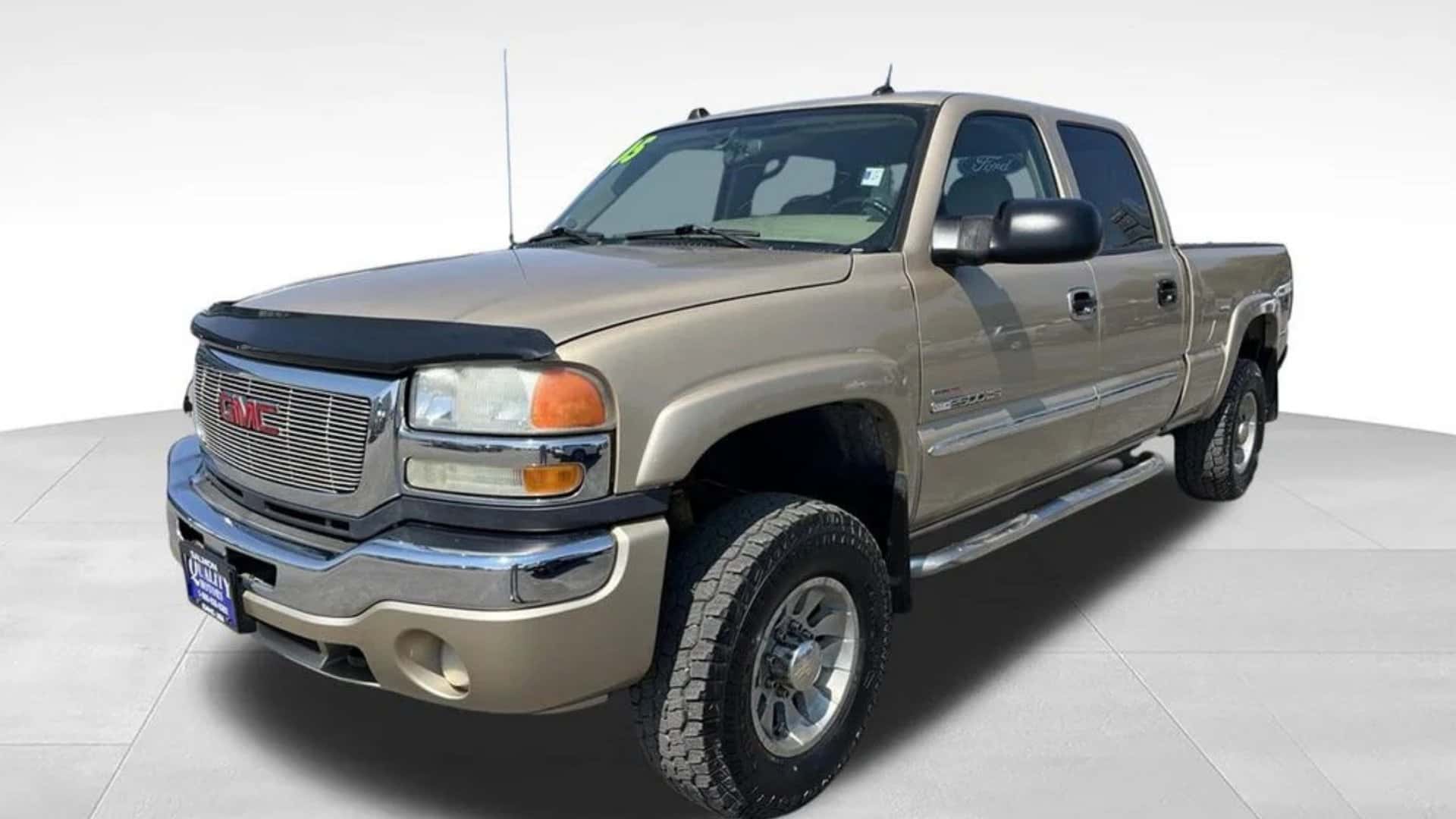
A truck combines passenger transportation with open-bed cargo capacity, trailer capability, and chassis hardware designed to support demanding use. Modern trucks are available in several size classes, cab layouts, bed lengths, powertrain configurations, and drivetrain formats, allowing buyers to match the vehicle closely to their expected workload. Some pickups emphasize efficient daily transportation and light utility, while others are engineered for heavy payloads, large trailers, off-road travel, or repeated commercial operation. Current truck technology also includes advanced transmission controls, integrated towing systems, configurable drive modes, camera-based visibility features, and cabin equipment designed for long periods behind the wheel.
Truck Classes and Body Configurations
Truck size affects maneuverability, passenger accommodations, cargo volume, payload limits, towing potential, and powertrain availability. Compact, midsize, full-size, and heavy-duty pickups are designed around different capability ranges rather than a single universal standard. Cab and bed combinations create additional variation because two trucks from the same general class can have different wheelbases, curb weights, passenger capacities, and load ratings. A suitable configuration should provide enough working capacity without introducing unnecessary length, weight, or operating demands. Reviewing the complete body layout helps buyers identify a truck that fits their parking space, road conditions, passenger needs, and regular cargo.
Compact and Midsize Truck Designs
Compact and midsize trucks provide open-bed utility in dimensions that are generally easier to manage in traffic, garages, and confined parking areas. These pickups can support home projects, outdoor equipment, moderate trailer use, and travel on roads where a larger vehicle may require additional maneuvering space. Depending on the model, a smaller truck may use traditional body-on-frame construction or a unitized body design, with each approach producing different characteristics in ride quality, structural weight, ground clearance, and load handling. Available powertrains may include naturally aspirated four-cylinder engines, turbocharged engines, V6 engines, hybrid systems, or other electrified designs. Payload and towing ratings still vary considerably within these classes, so buyers should evaluate the exact engine, cab, bed, drivetrain, and equipment combination rather than relying on the truck’s general size category.
Full-Size Truck Capability
A full-size truck typically offers broader engine availability, larger passenger compartments, multiple cargo-box lengths, and higher capability limits than a smaller pickup. These trucks can be configured for commuting, family transportation, recreational towing, jobsite use, or a combination of those duties. Gasoline, diesel, hybrid, and battery-electric powertrains may be offered across the segment, although availability depends on the manufacturer and configuration. Full-size designs often include higher-capacity cooling systems, larger brakes, substantial frame structures, and towing technology intended to support demanding use. Their greater width and length should still be considered carefully because parking space, garage clearance, turning radius, and trail access can influence daily suitability.
Heavy-Duty Truck Construction
Heavy-duty trucks extend pickup capability through reinforced frames, high-capacity suspension components, durable axles, larger cooling systems, and powertrains calibrated for substantial loads. Gasoline engines can provide straightforward response and strong output, while diesel engines often emphasize low-speed torque for repeated towing or hauling. Many heavy-duty models are available with single or dual rear wheels, with dual-rear-wheel configurations providing additional rear-axle load support in properly equipped applications. These trucks may also support fifth-wheel and gooseneck trailers that place a portion of the trailer load directly over the rear axle area. Their capabilities can be valuable for demanding tasks, but their size, ride characteristics, tire requirements, turning space, and maintenance needs should be considered before selection.
Cab Layouts and Bed Lengths
Regular cab, extended cab, and crew cab trucks provide different balances of seating capacity, enclosed storage, cargo-box length, and overall vehicle dimensions. A regular cab generally prioritizes a compact passenger compartment and may allow a longer bed without producing an exceptionally long wheelbase. An extended cab adds rear seating or protected storage space, although rear-door access and passenger room may be more limited than in a crew cab. Crew cab trucks provide larger rear doors and a more accommodating second row, making them useful for passenger travel, work crews, or equipment that should remain inside the cabin. Bed lengths commonly range from short boxes designed for maneuverability to long boxes intended for increased cargo volume, so buyers should measure garages, parking areas, and frequently transported materials before choosing a layout.
Truck Powertrains and Driving Performance
Truck performance results from the combined operation of the engine or electric motors, transmission, axle gearing, traction system, tires, cooling hardware, and chassis. Horsepower influences acceleration and sustained output, while torque is especially relevant when moving a loaded truck or starting with a trailer attached. The engine speed at which peak torque is produced can affect how readily a truck responds under load and how frequently the transmission must change gears. Vehicle weight, aerodynamic drag, changing terrain, temperature, and terrain also influence performance during daily travel or towing. A well-matched truck powertrain should provide a predictable response while remaining appropriate for the driver’s expected loads and operating conditions.
Gasoline and Diesel Engines
Gasoline engines are widely used across the truck market and can support duties ranging from routine commuting to substantial trailer towing. Their design may include natural aspiration, turbocharging, direct fuel injection, variable valve control, cylinder-management technology, or combinations of these systems. Diesel engines generally produce strong torque at relatively low engine speeds, which can support controlled acceleration with heavy cargo or a large trailer. Diesel configurations may also incorporate exhaust-braking functions that help manage speed on descending grades, though system operation varies among manufacturers. Buyers comparing gasoline and diesel trucks should consider towing frequency, trip length, payload demands, maintenance requirements, cold-weather operation, and the type of driving the vehicle will perform most often.
Hybrid and Electric Truck Systems
Hybrid trucks combine an internal-combustion engine with one or more electric motors to supplement torque, reduce fuel use under certain conditions, or support onboard electrical functions. Some systems allow limited electric-only operation, while others use electric assistance primarily to improve power delivery and overall efficiency. Battery-electric trucks eliminate the conventional combustion engine and use high-voltage battery packs to power electric drive motors. Electric motors can deliver immediate torque from low speeds, but driving range can be affected by trailer weight, payload, temperature, terrain, speed, and accessory use. Charging access, daily mileage, route predictability, cargo demands, and towing frequency should be assessed carefully when determining if an electric truck fits the intended operating pattern.
Transmissions and Axle Ratios
Modern automatic transmissions commonly use multiple forward gears to balance low-speed pulling response with efficient highway operation. Lower gears help the truck begin moving with cargo or a trailer, while higher gears reduce engine speed during steady cruising. Tow and haul modes can modify shift timing, throttle response, gear retention, and downshifting behavior to account for increased vehicle mass. Axle ratio also affects performance, with numerically higher gearing generally supporting stronger pulling response and numerically lower gearing often favoring relaxed operation at road speed. Because axle ratio can influence capability ratings, engine behavior, and efficiency, it should be evaluated as part of the complete truck configuration.
Two-Wheel Drive and Four-Wheel Drive
Rear-Wheel Drive is common in trucks because it places driven wheels beneath the bed, where cargo or trailer tongue weight can increase available traction. Four-Wheel Drive systems can direct power to both axles, improving mobility on snow, mud, gravel, loose soil, and uneven terrain. Some systems use selectable high-range and low-range settings, while others can automatically vary torque distribution in response to changing traction. Locking differentials, limited-slip differentials, hill-descent control, terrain modes, and underbody protection may further support travel beyond paved roads. These features improve capability within their designed limits, but ground clearance, tire selection, vehicle weight, approach angles, and driver technique remain important.
Truck Payload, Towing, and Cargo Management
Truck capability depends on several interrelated weight ratings that must be considered together. Payload represents the allowable weight placed in or on the truck, including occupants, cargo, accessories, and the portion of trailer weight carried by the hitch. Towing capacity identifies the maximum permitted trailer weight under defined conditions, but it does not override the truck’s payload, axle, tire, or combined-weight limits. Published maximum figures often apply to specific configurations with particular engines, drivetrains, axle ratios, cabs, and equipment. The certification label and vehicle documentation provide information that is more closely associated with an individual truck.
Payload and Vehicle Weight Ratings
Gross vehicle weight rating identifies the maximum permitted weight of the truck when loaded with passengers, cargo, accessories, and trailer tongue or pin weight. Gross axle weight ratings define the maximum load that the front and rear axles are designed to support. Gross combined weight rating applies to the total loaded weight of the truck and trailer together. Added items such as toolboxes, bed covers, replacement bumpers, auxiliary equipment, larger wheels, and off-road accessories consume part of the available payload. Accurate load planning should account for every occupant and installed component rather than considering bed cargo alone.
Conventional Trailer Towing
Conventional trailers connect to a receiver hitch behind the rear bumper and transfer a portion of their loaded weight to the truck as tongue weight. Correct tongue weight helps maintain trailer stability, but excessive weight can overload the truck’s rear axle or reduce available payload. A properly rated hitch, ball mount, coupler, safety-chain arrangement, wiring connection, and braking system must be used for the specific trailer. Weight-distributing equipment may be appropriate for certain applications when permitted by the truck and hitch manufacturer. Drivers should also allow greater stopping distance, make wider turns, monitor trailer clearance, and reduce abrupt control inputs when towing.
Fifth-Wheel and Gooseneck Applications
Fifth-wheel and gooseneck trailers connect within the pickup bed near the rear axle, creating a different load path from a conventional bumper-pull trailer. This arrangement can provide stable towing characteristics for large trailers, but it also places substantial pin weight on the truck. Bed length, cab design, hitch placement, rear-axle rating, payload capacity, and turning clearance all require careful evaluation. A truck with a high published towing figure may still reach its payload or rear-axle limit before reaching the maximum trailer rating. The complete loaded combination should therefore be calculated using the specific truck, hitch, occupants, cargo, and trailer.
Pickup Bed Access and Cargo Control
A truck bed should be evaluated for length, width between the wheel housings, sidewall height, tailgate design, and access height. Available features may include integrated steps, assisted tailgates, movable tie-down cleats, bed lighting, electrical outlets, cargo dividers, and protected storage compartments. Bed liners and mats can reduce surface damage or help control cargo movement, while covers can protect appropriate items from weather and casual access. Cargo must still be restrained according to its mass, shape, and position so it cannot shift during acceleration, braking, or cornering. Long, tall, or irregularly shaped loads require additional attention to securement, visibility, vehicle clearance, and weight distribution.
Truck Technology, Comfort, and Ownership Needs
Current trucks combine utility-focused construction with driver-assistance equipment, connected technology, cabin storage, and comfort features. These systems can reduce the effort associated with parking, hitch alignment, trailer monitoring, navigation, and extended highway travel. Interior usability is also important because many trucks serve as primary transportation in addition to performing work or recreational duties. Seating position, step-in height, outward visibility, control placement, rear-seat space, and storage design can affect satisfaction throughout ownership. Buyers should assess each feature by its practical contribution to the truck’s intended role rather than by equipment quantity alone.
Towing and Visibility Technology
Truck camera systems may provide rear, bed, side, forward, hitch, and surround-view perspectives to help drivers observe areas that are difficult to see directly. Hitch-guidance graphics can assist with alignment, while trailer profiles may store selected information or adjust compatible monitoring functions. Integrated trailer brake controllers allow the driver to manage compatible electric trailer brakes from within the cab. Trailer sway control can apply braking or modify engine output when the system detects certain unstable movements. These technologies provide useful support, but the driver remains responsible for checking the hitch connection, safety chains, electrical plug, load security, tires, mirrors, and surrounding area.
Driver-Assistance Systems
Available truck driver-assistance systems may include forward-collision warning, automatic emergency braking, blind-zone monitoring, lane-support functions, parking sensors, and adaptive cruise control. System availability and operation vary by model, trim, speed, road condition, and trailer status. Cameras and sensors can also be affected by dirt, snow, heavy precipitation, poor lane markings, glare, or attached equipment. Drivers should understand how each system communicates alerts and under which conditions assistance may be reduced or unavailable. Active observation and controlled vehicle operation remain necessary even when a truck includes extensive assistance technology.
Cabin Comfort and Interior Utility
Truck interiors often include storage areas within the center console, door panels, dashboard, rear floor, and spaces beneath or behind the seats. Foldable rear seating can create protected cargo room for tools, luggage, electronics, or equipment that should not be exposed in the bed. Available comfort features may include automatic climate control, heated or ventilated seats, power-adjustable seating, smartphone integration, charging ports, and connected navigation. Buyers should test seat support, pedal placement, steering-wheel adjustment, entry height, headroom, rear legroom, and control visibility during a test drive. A well-configured cabin should support daily transportation while preserving convenient access to towing controls, vehicle information, and frequently used storage.
Maintenance and Tire Considerations
Truck maintenance should reflect the vehicle’s engine, drivetrain, operating environment, and workload. Frequent towing, heavy hauling, dusty travel, repeated short trips, extended idling, and off-road use can place additional demands on fluids, filters, brakes, tires, suspension components, and cooling systems. Tire size, construction, tread pattern, load rating, and inflation pressure influence carrying capacity, traction, braking, ride quality, and fuel consumption. Replacement tires should meet the requirements of the truck and its expected load rather than being selected by appearance alone. Modifications involving suspension height, wheel offset, tire diameter, engine calibration, or added equipment should also be evaluated for their effects on handling, component loads, visibility systems, and overall capability.
Visit Quality Motors of Hamilton in Hamilton, MT
Our team can help you compare truck classes, cab layouts, bed lengths, powertrains, drivetrains, and capability ratings based on your intended use. Visit Quality Motors of Hamilton in Hamilton, MT, to review available vehicles and examine the details that affect everyday truck operation. We encourage drivers to consider passenger needs, cargo weight, towing frequency, terrain, parking space, and seasonal conditions before choosing a configuration. A test drive can provide useful insight into steering response, ride quality, braking behavior, visibility, cabin comfort, and control placement. Contact our team to discuss your truck requirements or schedule a convenient time to evaluate an available vehicle.