

Shopping Priorities for Pre-Owned Vehicles in Hamilton, MT
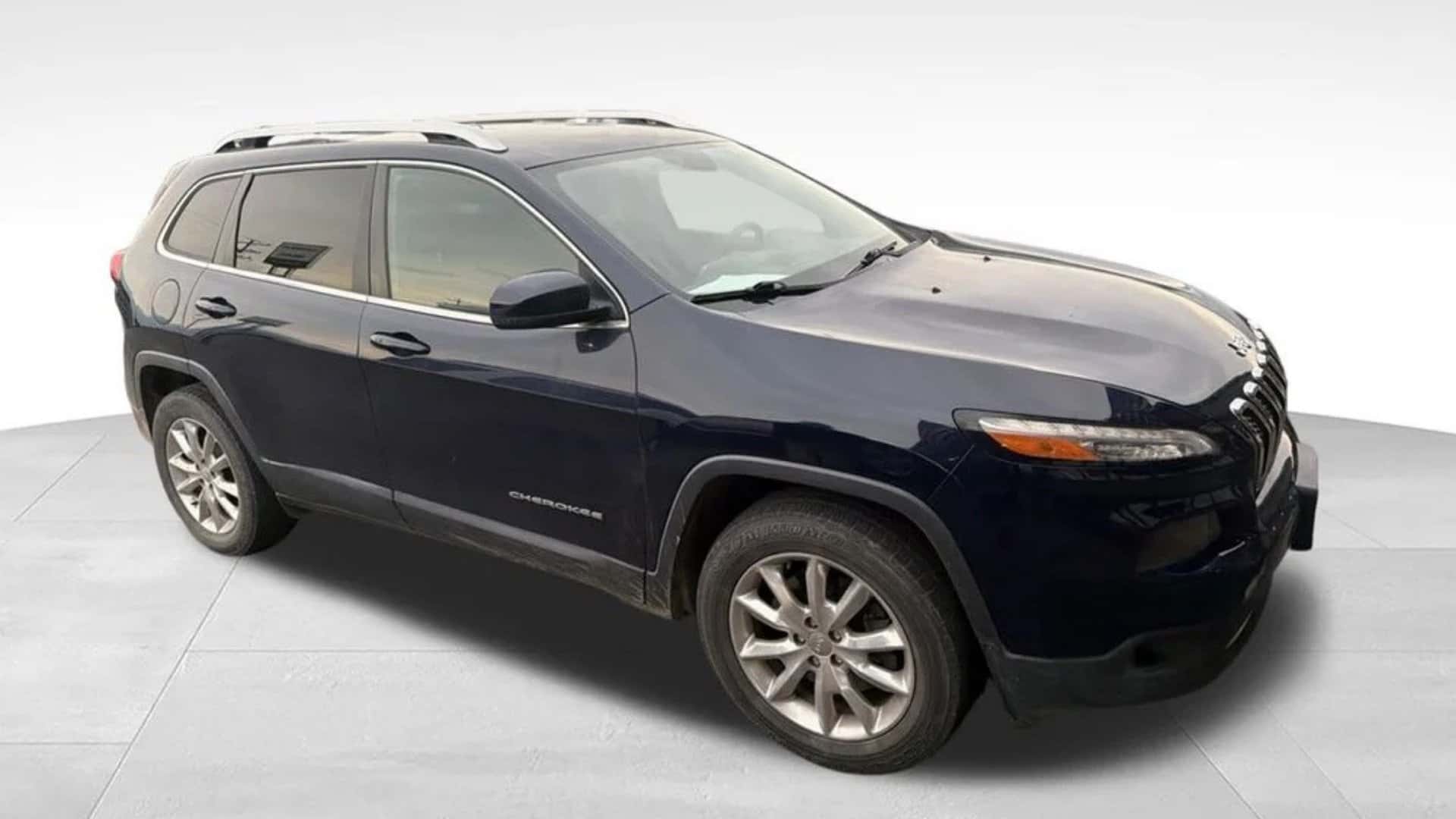
Shopping for pre-owned vehicles in Hamilton, MT, becomes easier when drivers begin with everyday needs instead of focusing only on appearance or familiarity with a particular model. One shopper may need a comfortable commuter for routine trips, while another may prioritize passenger space, cargo flexibility, recreational use, or the ability to handle changing seasonal conditions. Because pre-owned vehicles have individual histories, buyers also need to consider condition, mileage, maintenance information, interior wear, driving behavior, and overall practicality. These details can influence the ownership experience just as much as body style or exterior design. A thoughtful shopping process helps drivers narrow their choices according to how a vehicle will actually fit into workdays, errands, family activities, and weekend travel. It also encourages buyers to compare similar vehicles using consistent priorities instead of allowing one appealing feature to dominate the decision.
Starting with daily needs and vehicle suitability
The first stage of comparing Pre-Owned Vehicles should focus on how a vehicle will fit into normal routines. Commuting distance, passenger count, parking conditions, cargo requirements, recreational plans, and seasonal driving can all influence which type of vehicle feels appropriate. Establishing those priorities early can prevent shoppers from spending too much time considering vehicles that do not match their actual needs.
What should first-time buyers look for in pre-owned vehicles?
First-time buyers should begin with overall condition, practical usability, and how comfortably the vehicle fits their normal driving routine. Exterior appearance deserves attention, but shoppers should also examine seating comfort, outward visibility, control placement, cargo access, tire condition, and visible interior wear. A vehicle should feel straightforward to operate and provide enough space for the people and belongings that will regularly travel inside it. Available maintenance and vehicle history information can also provide useful context about previous care and ownership.
How should daily driving habits influence the choice of a pre-owned vehicle?
Daily driving habits should guide the search because repeated tasks usually have the greatest effect on long-term satisfaction. A driver who spends most of the week navigating town may value manageable dimensions, good visibility, and easy parking, while someone with a longer commute may place greater importance on seating comfort and a calm cabin. Households that regularly carry passengers may need more rear-seat room, while drivers who transport groceries, outdoor equipment, work supplies, or pets may prioritize convenient cargo access. Climate and road conditions can also affect which vehicle characteristics deserve attention during the shopping process.
Which body style works best for everyday life in Hamilton, MT?
The most suitable body style depends on how passenger space, cargo needs, maneuverability, and recreation fit into a buyer’s routine. Sedans can appeal to shoppers who prefer a conventional passenger-car layout and manageable exterior dimensions. SUVs may suit drivers who want flexible interior space, easier cargo loading, or a taller seating position. Trucks can make sense for buyers whose routines include hauling gear, property-related tasks, outdoor equipment, or other activities that benefit from an open cargo bed. Convertibles may appeal to drivers who value open-air recreational driving and can accommodate the practical differences associated with that body style.
Evaluating comfort and practical usability
Once the basic vehicle type has been narrowed down, comfort and day-to-day usability deserve closer attention. These qualities can be difficult to judge from photos because seat support, visibility, control placement, cabin access, ride comfort, and storage convenience become clearer in person. Pre-Owned vehicles can also differ noticeably within the same category, particularly when size, interior layout, equipment, and previous use vary. A careful walkaround followed by a thoughtful test drive can reveal details that are easy to overlook during an initial inspection.
How important is interior comfort when comparing pre-owned vehicles?
Interior comfort matters because small inconveniences can become more noticeable after weeks or months of regular driving. Buyers should check the driver’s seat through several positions and confirm that the steering wheel, pedals, displays, and frequently used controls are easy to reach. Passenger comfort also deserves attention, especially for households that often carry adults, children, or several occupants at once. Storage spaces should be considered according to everyday use, including room for personal items, bags, groceries, and other objects that frequently travel inside the cabin. Shoppers should also examine the condition of upholstery, switches, trim, door panels, and other high-contact areas for signs of wear.
What should buyers consider when evaluating cargo and passenger space?
Cargo and passenger space should be judged according to the people and belongings that will actually use the vehicle. A cargo area may appear large at first glance, but its shape, opening size, loading height, and seat-folding arrangement can influence how convenient it feels during regular use. Buyers who frequently carry passengers should sit in the rear seating areas and check legroom, headroom, entry, exit, and general comfort. Families and active drivers may also want to think about luggage, groceries, sports equipment, outdoor gear, pet supplies, or work items that need to fit inside the vehicle. Pre-Owned vehicles with similar exterior dimensions can still offer different levels of usable interior space, so direct comparison can be helpful.
How can a test drive help identify the right pre-owned vehicle?
A test drive gives shoppers the clearest opportunity to understand how a pre-owned vehicle feels from the driver’s seat. Buyers should pay attention to acceleration response, braking feel, steering effort, visibility, ride comfort, cabin noise, and the ease of using basic controls. Trying the vehicle at ordinary neighborhood and roadway speeds can provide a better sense of how naturally it fits the driver’s habits. Seating comfort should remain part of the evaluation because a position that feels acceptable while parked may feel different once the vehicle is moving.
Reviewing condition and ownership expectations
After a vehicle proves comfortable and practical, condition and ownership expectations become the next priorities. Pre-Owned vehicles have individual histories, so two similar examples may have experienced very different patterns of use, storage, maintenance, and care. Mileage can provide useful context, but it should be considered alongside physical condition, available maintenance information, visible wear, and driving behavior. Focusing too heavily on one number can prevent buyers from seeing the broader picture of a vehicle’s present state.
How much should mileage matter when shopping for pre-owned vehicles?
Mileage is an important reference point, but it should not be treated as the only measure of a vehicle’s condition or suitability. A lower-mileage vehicle may appeal to many shoppers, yet previous care, maintenance habits, storage, driving patterns, and overall condition can also influence how well a vehicle has aged. A vehicle with more accumulated miles may still deserve consideration when it appears consistently maintained and performs well during inspection and driving. Buyers should compare mileage with tire condition, interior wear, service information, visible mechanical condition, and the way the vehicle behaves on the road.
What maintenance information should buyers review before choosing a pre-owned vehicle?
Available maintenance information can help buyers understand how consistently a vehicle received routine attention during previous ownership. Records may provide context about regular service, replacement of normal wear items, and other work completed over time. Incomplete records do not automatically determine the condition of a vehicle, but they can make a careful inspection and professional evaluation even more useful. Shoppers should also look at readily visible maintenance-related areas such as tire condition, dashboard warning indicators, and the general state of the vehicle during a walkaround.
What signs can help buyers judge the condition of a pre-owned vehicle?
Condition is easier to evaluate when buyers follow the same basic inspection process for every vehicle they consider. Exterior panels, paint consistency, glass, lights, tires, wheels, seats, carpeting, switches, controls, and cargo areas can all reveal useful signs of wear or previous use. Inside the cabin, frequently touched surfaces may provide additional context about how heavily the vehicle has been used and how well the interior has been maintained. During a test drive, shoppers should also notice steering behavior, braking response, unusual vibration, unexpected noises, warning indicators, and the operation of basic cabin features.
Comparing long-term fit and final purchase considerations
The final stage of shopping brings daily usability, comfort, condition, and ownership expectations together in one comparison. At this point, several Pre-Owned vehicles may appear suitable, which can make the decision feel less obvious than it did at the beginning of the search. Using the same criteria for every candidate can help buyers separate meaningful advantages from features that may have little effect on daily ownership. Passenger needs, cargo flexibility, driving comfort, maintenance expectations, current condition, and intended use should remain part of the final review.
Is a pre-owned vehicle a practical choice for long-term ownership?
A pre-owned vehicle can be a practical long-term choice when its condition, previous care, overall design, and intended role align with the buyer’s expectations. Long-term satisfaction often begins with selecting a vehicle that already fits everyday life instead of expecting inconvenient compromises to become less important over time. Buyers should consider how commuting, passenger needs, cargo demands, recreation, and seasonal driving may change during the years they expect to keep the vehicle. Routine maintenance should also be viewed as a normal part of ownership, with attention given to regular service and the replacement of wear items when necessary. Current conditions and available history can help shoppers develop reasonable expectations about the ownership experience ahead.
How should shoppers compare several pre-owned vehicles before making a final choice?
Shoppers should compare several vehicles using a consistent group of priorities that reflects how each one will actually be used. Seating comfort, visibility, cargo access, driving behavior, mileage, maintenance information, condition, and the ease of using common controls can all be reviewed for every candidate. Buyers should also distinguish between differences that will matter every day and features that may seem appealing initially but have little influence on regular ownership. A comfortable seat, practical storage area, predictable driving manners, and appropriate passenger space may ultimately matter more than a feature that receives attention only occasionally.
Taking time to compare individual vehicles can help shoppers understand how each option fits commuting, family transportation, recreation, cargo needs, and other regular responsibilities. Drivers interested in Pre-Owned vehicles can visit Quality Motors of Hamilton in Hamilton, MT, and discuss their priorities with our team. Our dealership can help visitors compare available options in person and spend time evaluating the details that matter most to their routines. Schedule a visit for a test ride and see which pre-owned vehicle feels best suited to everyday driving and future plans.
0 comment(s) so far on Shopping Priorities for Pre-Owned Vehicles in Hamilton, MT