

Pre-Owned Vehicles in Hamilton, MT
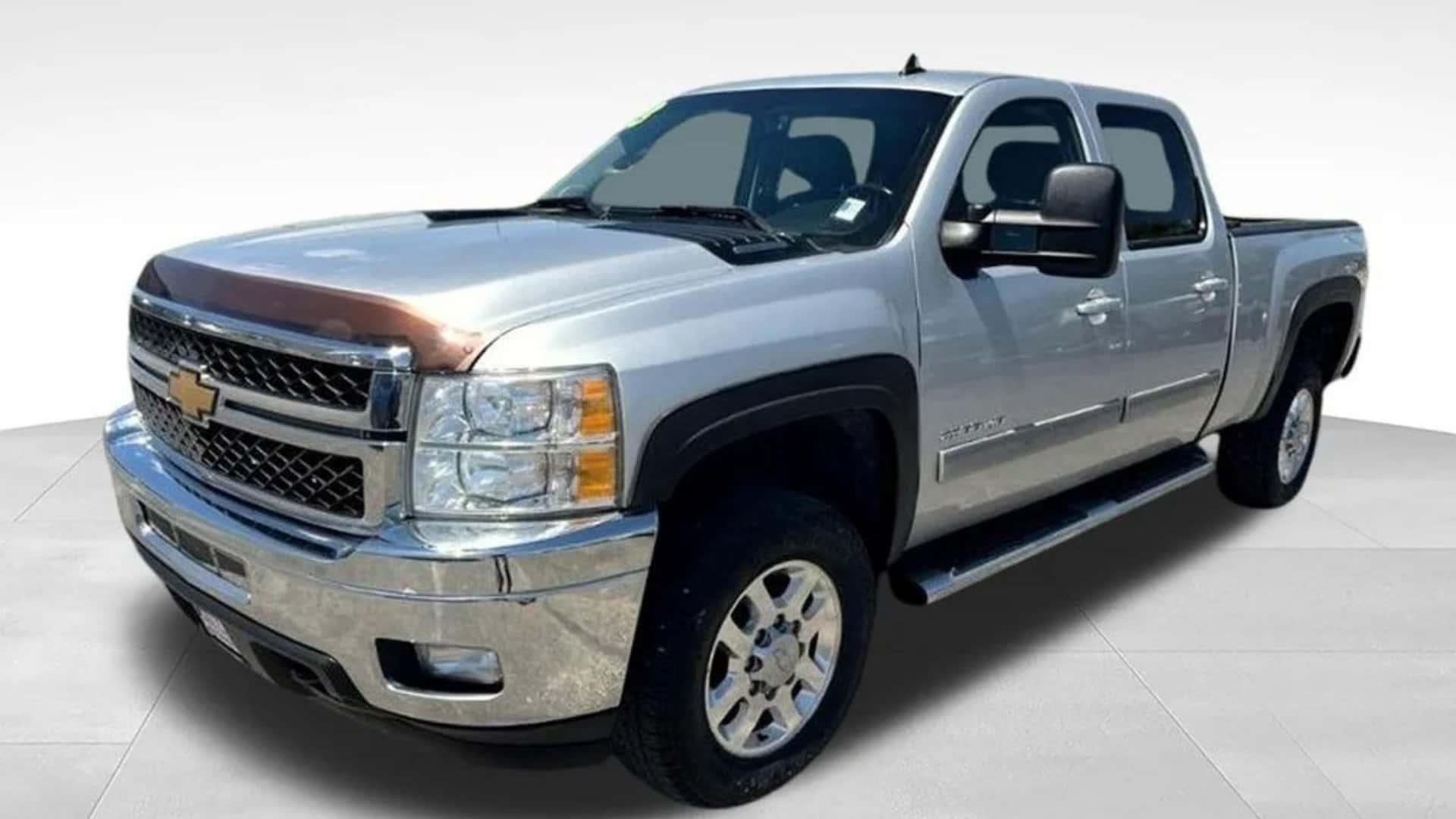
Pre-Owned Vehicles provide access to a wide range of body styles, powertrains, equipment levels, and capability profiles within a single vehicle category. Because these vehicles have prior operating histories, mileage, mechanical condition, maintenance records, and equipment configuration are important parts of the evaluation process. A carefully selected pre-owned car, truck, SUV, or van can support commuting, passenger transportation, cargo movement, towing, and seasonal travel. Many modern used vehicles also include touchscreen infotainment, smartphone connectivity, advanced driver-assistance technology, and selectable driving modes.
Pre-Owned Vehicle Categories and Configurations
Pre-Owned Vehicles cover numerous design formats, allowing drivers to compare practical characteristics across several market segments. Body structure influences passenger capacity, cargo flexibility, outward visibility, road behavior, and parking requirements. Wheelbase, ground clearance, roof height, and door configuration can also affect how easily a vehicle handles daily transportation tasks. Powertrain layout and trim level add further variation because two vehicles with similar exterior dimensions may provide different performance, comfort, and technology features.
Pre-Owned Cars and Passenger-Focused Designs
Pre-owned cars commonly include subcompact models, compact sedans, midsize sedans, full-size sedans, hatchbacks, coupes, and performance-oriented variants. Sedans typically provide a separate trunk, a relatively low seating position, and predictable handling for routine commuting or highway travel. Hatchbacks replace the conventional trunk lid with a rear liftgate, creating a larger cargo opening and additional flexibility when the rear seats are folded. Coupes generally emphasize front-seat access, styling, and compact proportions, although their rear seats and cargo areas may be less accommodating.
Vehicle size also influences maneuverability, passenger space, ride quality, and fuel consumption. Compact cars can be easier to position in confined parking areas and may place less demand on fuel during routine travel. Midsize and full-size cars usually provide longer wheelbases, additional rear-seat room, and more substantial highway driving characteristics. Performance-focused cars may include firmer suspension tuning, larger brakes, wider tires, bolstered seats, or higher-output engines. Those components can sharpen acceleration and handling, but they also make tire condition, brake wear, alignment, and maintenance history especially important evaluation points.
Pre-Owned SUVs and Crossovers
Pre-owned SUVs and crossovers are available in subcompact, compact, midsize, and full-size formats. Many crossovers use unibody construction, which integrates the body and chassis to support efficient interior packaging and car-like road manners. Some utility vehicles use body-on-frame construction, particularly when the design emphasizes towing, off-pavement operation, or heavier loads. Seating arrangements may include two or three rows, while cargo capacity depends on roof shape, rear suspension packaging, and seat-folding design.
Ground clearance and drivetrain configuration can influence how an SUV handles changing road and weather conditions. Front-Wheel Drive is common in smaller crossovers, while All-Wheel Drive may distribute power between the axles when additional traction is required. More specialized SUVs can include Four-Wheel Drive, low-range gearing, hill-descent control, underbody protection, or terrain-management settings. These features should be identified by their actual equipment and tested for correct operation rather than assumed from exterior styling.
Pre-Owned Trucks and Vans
Pre-owned pickup trucks range from midsize platforms to light-duty and heavy-duty configurations. Cab designs may include regular, extended, and crew layouts, each creating a different balance between passenger space and bed length. Payload capacity, axle ratio, suspension tuning, drivetrain configuration, and installed towing equipment influence how a truck manages tools, trailers, recreational equipment, or work materials. Some trucks include integrated trailer-brake controllers, tow-specific drive modes, hitch guidance systems, or supplemental cooling hardware. A receiver hitch alone does not confirm the complete towing specification, so the vehicle’s equipment labels and configuration information should be reviewed carefully.
Pre-owned vans can serve passenger, cargo, commercial, or mixed-use transportation roles. Minivans typically emphasize sliding-door access, adaptable seating, and a low cargo floor that simplifies passenger entry and equipment loading. Full-size passenger vans can accommodate larger groups, although their length, width, and turning radius require additional consideration during low-speed maneuvering. Cargo vans may be offered with several wheelbases, roof heights, door arrangements, payload ratings, and interior upfit provisions.
Pre-Owned Vehicle Powertrains and Road Performance
The mechanical configuration of Pre-Owned Vehicles directly affects acceleration, efficiency, traction, noise, and maintenance requirements. Available powertrains may include naturally aspirated gasoline engines, turbocharged engines, diesel engines, conventional hybrids, plug-in hybrids, and battery-electric systems. Transmission designs can include traditional automatics, continuously variable transmissions, dual-clutch units, and manual gearboxes. Front-Wheel Drive, Rear-Wheel Drive, All-Wheel Drive, and Four-Wheel Drive also create distinct responses under acceleration and on low-traction surfaces.
Gasoline and Diesel Engine Characteristics
Gasoline engines remain common across pre-owned cars, crossovers, SUVs, vans, and pickup trucks. Naturally aspirated engines generally deliver progressive power without forced induction, while turbocharged engines can generate substantial torque from smaller displacement. Turbocharged powertrains depend on proper lubrication and cooling because their components operate under considerable heat and pressure. Diesel engines are often selected for low-speed torque, highway operation, or towing, but their emissions-control equipment and previous duty cycles deserve close attention.
Engine displacement and cylinder count do not provide a complete measure of performance. Vehicle weight, transmission gearing, axle ratio, torque delivery, and aerodynamic resistance also influence acceleration and operating efficiency. A smaller turbocharged engine may produce strong low-speed response, while a larger naturally aspirated engine may deliver power through a broader and more linear range. Diesel engines often operate at lower engine speeds while producing substantial torque, particularly in truck and commercial applications.
Hybrid and Electric Pre-Owned Vehicles
Hybrid Pre-Owned Vehicles combine an internal-combustion engine with one or more electric motors and a high-voltage battery. This arrangement can reduce engine operation during low-speed driving and recover energy through regenerative braking. Plug-in hybrids add external charging capability and may support a limited distance under electric power before operating as a conventional hybrid. Battery-electric vehicles rely entirely on electric motors and traction batteries, removing the conventional engine and its associated oil-change requirements.
Electrified vehicles use specialized displays to communicate energy flow, charge level, estimated range, and regenerative-braking activity. Their braking systems blend electric regeneration with conventional friction brakes, so transitions between the two should feel controlled and predictable. A battery-electric vehicle may provide immediate torque delivery, quiet operation, and single-speed power transmission. Plug-in models require inspection of the charging port, portable charging equipment, charge-door operation, and any available charging settings.
Transmissions and Drivetrain Layouts
Transmission behavior should remain smooth, consistent, and appropriate for the system’s design. A conventional automatic transmission uses multiple fixed gear ratios and may include a torque converter, manual shift control, sport programming, or a towing mode. A continuously variable transmission adjusts its ratio without conventional stepped gear changes, so its sound and response during acceleration can differ from those of a standard automatic. Dual-clutch transmissions can provide rapid gear changes but may feel more direct during parking maneuvers or low-speed operation. Manual transmissions add driver-controlled clutch engagement, making clutch condition, pedal feel, gear engagement, and synchronizer operation important inspection points.
Drivetrain layout affects traction, handling balance, interior packaging, and towing capability. Front-Wheel Drive vehicles send power to the front wheels and generally use space efficiently within the passenger compartment. Rear-Wheel Drive layouts separate steering and propulsion duties, which can support balanced handling or increased utility in some applications. All-Wheel Drive systems can distribute power automatically between the axles, while Four-Wheel Drive systems may provide selectable high-range and low-range settings for demanding surfaces. The tires must remain compatible in size, construction, tread depth, and circumference because mismatched tires can affect braking, traction-control operation, and driveline durability.
Technology, Safety, and Interior Equipment
Technology content in Pre-Owned Vehicles can vary significantly by model year, trim level, and original option package. Some used vehicles provide straightforward audio and climate controls, while others include digital displays, connected navigation, configurable drive settings, and smartphone integration. Driver-assistance equipment has also become more common, but system names, sensors, and operating limits differ among manufacturers. Each feature should be identified by its actual hardware and documented function instead of being inferred from a dashboard symbol or exterior camera.
Infotainment and Connectivity Systems
Pre-owned infotainment systems may include a touchscreen, physical controls, voice recognition, Bluetooth®, navigation, satellite-radio capability, and smartphone projection. Screen size alone does not determine usability because menu structure, response speed, control placement, software compatibility, and display clarity also influence operation. USB ports can differ in connector type, charging output, and data capability, while certain vehicles provide wireless device charging or wireless smartphone connectivity. Audio systems may range from simple speaker arrangements to premium configurations with additional amplifiers and subwoofers.
Connected features require additional attention because some functions depend on network support, a compatible mobile application, or account activation. Embedded navigation may store map information within the vehicle, while other systems rely on a connected smartphone for route guidance. Digital instrument clusters can provide configurable layouts, trip data, assistance-system status, and energy-use information. Head-up displays project selected information within the driver’s forward field of view, although seating position and windshield condition can influence visibility. Cameras, microphones, speakers, touch surfaces, rotary controllers, and physical buttons should all be included in the functional inspection.
Driver-Assistance and Visibility Technology
Pre-Owned Vehicles may include forward-collision alerts, automatic emergency braking, blind-spot monitoring, lane-departure warnings, lane-centering assistance, adaptive cruise control, rear cross-traffic alerts, and parking sensors. These systems use combinations of cameras, radar units, ultrasonic sensors, wheel-speed data, and electronic control modules. Their operation can be affected by blocked sensors, windshield replacement, collision repairs, wheel alignment, or incomplete calibration. Persistent warning lamps or messages may indicate that a system is unavailable and requires further diagnosis.
Visibility equipment can include reversing cameras, surround-view camera systems, automatic high beams, adaptive headlights, rain-sensing wipers, and heated exterior mirrors. Camera images should remain clear, and guidance lines should respond correctly if the vehicle provides dynamic steering information. Headlamp housings and lenses should be checked for moisture, damage, clouding, and uneven output. Windshield damage near a camera mounting area can affect assistance-system performance or complicate glass replacement. Mirrors, defrosting elements, washers, wipers, exterior lamps, and interior controls should also operate without warning indicators or intermittent behavior.
Comfort and Interior Functionality
Interior equipment affects daily usability as much as engine output, cargo capacity, or drivetrain design. Pre-owned models may include manually adjustable seats, power adjustment, heating, ventilation, memory positions, adjustable lumbar support, and multi-zone climate control. Each seat should be inspected for secure mounting, full adjustment, upholstery condition, and correct folding or reclining operation. Climate systems should provide consistent heating and cooling through the selected vents, while excessive fan noise can indicate debris or component wear. Rear climate controls, heated steering wheels, sunshades, auxiliary outlets, and panoramic roof mechanisms should also be tested when installed.
Interior packaging should match the vehicle’s expected passenger and cargo demands. Seat height and door-opening geometry affect entry, while roofline shape, floor height, and wheelbase influence headroom and legroom. Folding rear seats can increase cargo capacity, but split ratios, load-floor steps, removable panels, and head-restraint placement change how easily the space can be used. Seat belts, airbags, occupant-detection systems, and child-seat anchors should remain complete and free from visible damage or persistent warning lamps. Storage compartments, cupholders, door pockets, cargo tie-downs, and underfloor spaces add practical utility when their placement supports routine use.
Condition and Ownership Considerations for Pre-Owned Vehicles
Condition separates one pre-owned vehicle from another even when both share the same model year, trim, powertrain, and mileage. Previous maintenance, driving environment, storage practices, repairs, modifications, and usage patterns can all affect mechanical and cosmetic quality. Mileage provides useful context, but it should be considered alongside service history and current component condition. A lower-mileage vehicle may still require attention after long storage periods or incomplete maintenance.
Maintenance History and Mechanical Inspection
Maintenance records can document oil and filter changes, tire replacement, brake work, fluid service, battery replacement, and manufacturer-specified inspections. Consistent documentation provides useful evidence of prior care, but it does not replace a direct evaluation of present condition. Fluid levels, leaks, belts, hoses, battery performance, cooling-system operation, and engine mounts remain important inspection areas. Diagnostic scanning can identify stored faults, monitor status, or electronic concerns that may not produce an obvious driving symptom.
Cold-start behavior can reveal information that may become less apparent after an engine reaches operating temperature. Prolonged cranking, unusual noise, unstable idle, excessive smoke, or warning lights may justify additional diagnosis. During a road evaluation, the engine should respond consistently, the transmission should operate as designed, and the steering should remain controlled. Heating and cooling performance should be assessed after the vehicle reaches normal operating temperature.
Chassis, Brakes, Tires, and Undercarriage
A pre-owned vehicle’s chassis condition influences steering precision, braking stability, ride comfort, and tire life. Suspension components include springs, dampers, control arms, bushings, ball joints, bearings, and stabilizer links that manage body movement and maintain tire contact. Worn components may cause noise, imprecise steering, uneven tire wear, excessive bouncing, or instability over irregular pavement. Wheel alignment affects straight-line tracking and tread wear, while a bent wheel can introduce vibration or gradual air loss. Controlled low-speed turns, steady highway travel, moderate braking, and travel over varied pavement can help reveal chassis concerns.
Brake condition also deserves careful review because wear patterns can indicate service needs and prior operating demands. Disc brakes use calipers and pads to clamp rotors, while some vehicles use rear drum brakes or electronically controlled parking brakes. Pulsation, pulling, grinding, squealing, or inconsistent pedal response may indicate worn friction material, rotor variation, hydraulic concerns, or other conditions requiring inspection. Anti-lock braking and electronic stability control should complete their startup checks without persistent warning indicators. Hybrid and electric vehicles also require predictable coordination between regenerative braking and conventional friction brakes.
Tires should match the vehicle’s specified size, load rating, and speed capability. Tread depth, production date, sidewall condition, inflation pressure, and wear pattern help establish remaining usability and possible alignment issues. Major differences in tire circumference can place additional stress on some All-Wheel Drive systems. The undercarriage should be examined for impact damage, corrosion, fluid residue, damaged shields, and improperly installed modifications. Exhaust components, suspension mounting points, fuel-system protection, high-voltage battery protection, and brake lines should remain secure and free from significant deterioration.
History, Documentation, and Vehicle Selection
Vehicle-history information can provide useful details about registration events, reported damage, title status, mileage records, and documented maintenance. It should remain one component of the evaluation because not every repair, incident, or service event appears in recorded data. The vehicle identification number should match across the dashboard, door label, documentation, and available records. Factory labels may also provide tire specifications, production information, payload limits, and axle details.
The final selection should reflect normal passenger loads, cargo needs, route conditions, parking space, seasonal demands, and performance expectations. A commuter may emphasize visibility, seat comfort, efficiency, and assistance technology, while a truck driver may prioritize payload, towing equipment, axle configuration, and bed dimensions. Families may focus on rear-seat access, climate controls, cargo flexibility, and child-restraint compatibility.
Schedule a Test Ride Today
Our team can help you compare Pre-Owned Vehicles according to body style, powertrain, drivetrain, equipment, condition, and intended use. Visit Quality Motors of Hamilton in Hamilton, MT, to inspect available options and examine the features that matter for your transportation requirements. We can arrange a test drive so you can evaluate comfort, visibility, control placement, acceleration, braking, and road behavior. Bring your passenger, cargo, commuting, or towing needs so our team can help make the comparison more specific. Contact us to plan your visit and begin reviewing suitable pre-owned cars, trucks, SUVs, and vans.