

Family Travel Priorities Separate SUVs From Minivans in Hamilton, MT
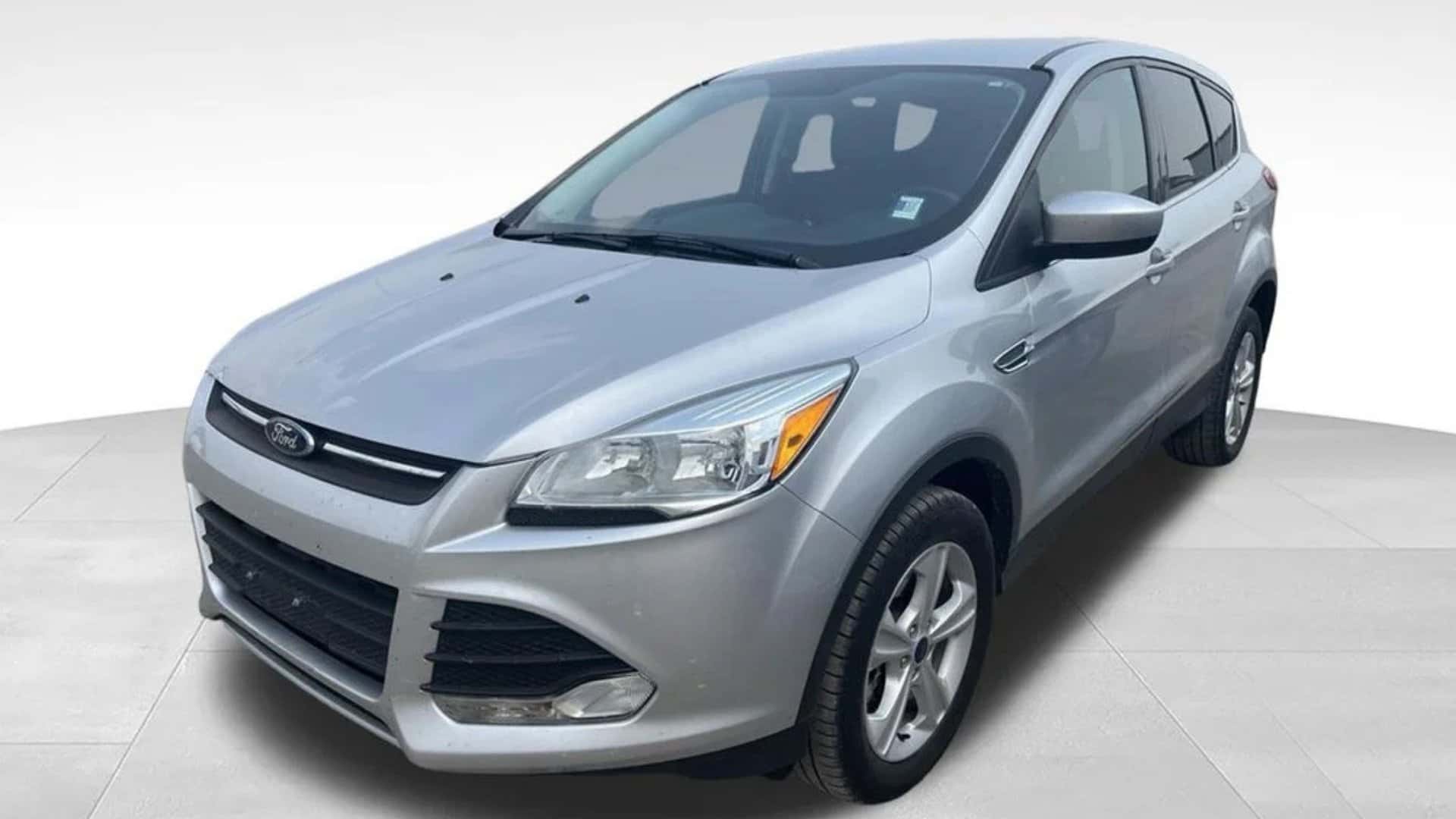
Family travel changes the way shoppers evaluate vehicles because everyday convenience matters just as much as comfort on longer trips. In Hamilton, MT, families may need a vehicle that handles school mornings, grocery stops, changing weather, outdoor recreation, and highway travel without making each drive feel complicated. SUVs remain appealing because they combine passenger space, flexible cargo capacity, an upright driving position, and a broad range of sizes that can suit different household needs. Minivans address many of the same priorities, but they typically place greater emphasis on passenger access, cabin efficiency, and moving several people comfortably. The better choice often depends less on maximum seating capacity and more on how a family actually travels, packs, parks, and spends its free time. Some households value the adaptable character and varied sizing available with SUVs, while others prefer the passenger-focused layout commonly associated with minivans.
Daily Family Routines Reveal The Difference
The most meaningful differences between SUVs and minivans often appear during ordinary weekday use rather than during an occasional vacation. Families interact with doors, seats, storage areas, parking spaces, and cargo compartments several times each day, so small design differences can quickly influence convenience. SUVs typically offer a taller seating position and a layout that can transition easily between commuting, errands, school transportation, and recreation. Minivans generally place greater emphasis on passenger movement and efficient use of interior space, which can be especially useful for households frequently loading several people.
School Runs Put Layouts To Work
Morning transportation can expose the practical strengths of a family vehicle very quickly. SUVs often appeal to drivers who enjoy an upright seating position and a clear view of surrounding traffic while navigating neighborhood streets, school parking areas, and daily commutes. Families can also appreciate having a separate cargo area for backpacks, sports equipment, groceries, and other items that tend to accumulate throughout the week. Minivans can be especially convenient when children frequently move through multiple seating rows because their layouts commonly prioritize passenger access and movement through the cabin.
Parking Habits Shape Everyday Convenience
Vehicle size can feel very different in a crowded parking lot than it does during a showroom comparison. Many SUVs are available in compact, midsize, and larger formats, allowing families to choose a footprint that matches the places they visit most often. A smaller two-row SUV may feel easier to position around busy shopping areas, schools, restaurants, and other everyday destinations than a larger family vehicle. Minivans can provide excellent interior space efficiency, but their overall proportions may require more attention in tighter parking environments depending on the specific vehicle.
Passenger Needs Change With Family Size
The number of people a family transports matters, but passenger age, mobility, and travel habits can matter just as much. A household with younger children may place greater value on easy access to rear seating, while families with teenagers may focus more on personal space and comfort during longer drives. SUVs cover a wide range of configurations, from compact two-row models to larger three-row vehicles designed for households that need additional seating flexibility. Minivans tend to emphasize cabin room and convenient access across several passenger positions.
Two Rows Can Fit Daily Life
Many families do not need three seating rows every day, which can make a two-row SUV especially appealing. This configuration can provide comfortable passenger space while preserving a useful cargo area behind the rear seats for groceries, luggage, sports bags, and everyday equipment. Fewer rows can also simplify loading because families do not have to balance third-row seating with available storage on every trip. For households with one or two children, a two-row SUV can feel well suited to commuting, weekend errands, outdoor activities, and regional travel without requiring a larger vehicle than necessary.
Three Rows Add Flexible Capacity
Larger families or households that regularly transport friends and relatives may find greater value in three-row SUVs. The additional seating provides room for more passengers while allowing the vehicle to retain the general versatility associated with an SUV layout. When the third row is not required, many vehicles in this category allow owners to expand cargo space by folding rear seating, though exact arrangements vary by model. Minivans commonly make repeated access to all seating rows a major part of their design, which can be especially useful when most seats are occupied on a regular basis.
Cargo Flexibility Supports Bigger Family Plans
Family cargo rarely consists of grocery bags alone, especially when recreation and regional travel are regular parts of the household schedule. Strollers, coolers, sports equipment, camping supplies, school projects, luggage, pet gear, and seasonal clothing can quickly change the amount and shape of storage a family needs. SUVs attract many households because their rear seating and cargo areas can often be rearranged to support different combinations of passengers and belongings. Minivans are also highly effective at carrying family gear because their cabin design generally prioritizes interior efficiency and usable space.
Weekend Gear Rewards Flexible Cabins
A family that spends weekends moving between parks, sporting events, trailheads, and neighboring communities may want a cabin that adapts easily as plans change. SUVs commonly provide folding rear seating that allows owners to prioritize passengers on one outing and cargo on the next. That flexibility can be especially helpful when a household carries equipment that does not fit neatly into conventional luggage spaces or needs to combine passenger room with bulky gear. Minivans can also accommodate substantial family cargo, and their broad passenger-focused interiors can make large or numerous items easier to organize.
Road Trips Favor Thoughtful Organization
Longer family drives create a different set of storage demands because passengers may need access to snacks, jackets, travel bags, electronic devices, and comfort items throughout the journey. SUVs can work particularly well when the passenger count leaves part of the rear cabin available for luggage and personal belongings. Families using a three-row SUV may need to balance passenger capacity against cargo room when most or all seats are occupied.
Montana Travel Highlights SUV Versatility
Driving around Hamilton can involve a mix of local streets, highways, rural routes, recreation areas, and changing seasonal conditions, so family vehicles may need to serve several roles during the same week. SUVs often appeal to shoppers because their range of sizes and configurations can support this broader mix of everyday transportation and leisure travel. Some models are available with drivetrain options designed to support additional traction, although availability and operation vary by vehicle. Minivans can also serve families well across changing seasons and longer trips, particularly when passenger comfort and easy access remain the main priorities.
Seasonal Driving Influences Family Confidence
Family transportation needs continue through changing weather, making predictable road manners and driver confidence important parts of ownership. Many SUV shoppers appreciate the upright seating position and broad view associated with the category, particularly during longer drives or when traffic conditions change. Some SUVs also offer All-Wheel Drive, which can provide additional traction support in certain conditions, although tires, road surfaces, vehicle setup, and driver behavior remain important factors. Minivans can also be suitable for year-round family transportation, and individual models may offer different drivetrain choices depending on configuration.
Outdoor Plans Broaden Vehicle Priorities
Families who regularly travel beyond town may place different demands on a vehicle than households focused mainly on short paved commutes. SUVs often appeal to drivers who want one vehicle to handle school-day transportation while also fitting naturally into camping weekends, park visits, lake outings, and regional sightseeing. Their combination of passenger room, adaptable cargo space, and upright proportions can make them feel suitable for a wide range of recreational plans. Minivans remain highly practical for carrying people and equipment, particularly when easy cabin access is a higher priority than the broader lifestyle character associated with SUVs.
Long-Term Priorities Clarify The Best Choice
The most useful family vehicle is one that continues to make sense as routines and responsibilities change. Children grow, hobbies evolve, work schedules shift, and the amount of gear carried on a typical weekend may increase or decrease over time. SUVs offer a broad selection of body sizes and seating configurations, giving families several ways to match current needs while leaving room for changing priorities. Minivans can be especially effective during periods when frequent passenger transportation dominates household life, and easy access to every seating row matters most.
Growing Families Need Adaptable Space
Households with younger children may initially focus on child-seat access, stroller storage, and convenient rear seating, but those needs change as children get older. Teenagers may require more personal space, while school activities, sports, hobbies, and family trips can create new cargo demands. SUVs can adapt to those transitions because shoppers can choose among different vehicle sizes, passenger layouts, and cargo arrangements. Minivans remain strong choices for households that expect to carry several passengers frequently over many years and place a high value on easy movement through the cabin.
Personal Preference Shapes Ownership Satisfaction
Practical considerations should guide a family vehicle purchase, but personal preference still matters because the driver and passengers interact with the vehicle every day. Some shoppers simply prefer the upright seating position, exterior proportions, and adaptable character commonly associated with SUVs. Others may value the easy rear access and passenger-centered layout that makes minivans particularly effective for moving several people. Those preferences can influence how comfortable and satisfied a household feels with the vehicle during years of daily use.
Families considering SUVs in Hamilton can gain valuable perspective by comparing seating access, cargo flexibility, daily driving habits, seasonal travel, and long-term household needs in person. Quality Motors of Hamilton in Hamilton, MT, welcomes shoppers who want to see how different vehicle layouts fit their family routines and travel priorities. Speak with our team about the qualities that matter most for school runs, weekend outings, passenger comfort, and changing cargo demands. Scheduling a test ride can provide a clearer sense of visibility, cabin space, seating comfort, maneuverability, and overall driving feel than descriptions alone can provide.
0 comment(s) so far on Family Travel Priorities Separate SUVs From Minivans in Hamilton, MT