

SUVs in Hamilton, MT
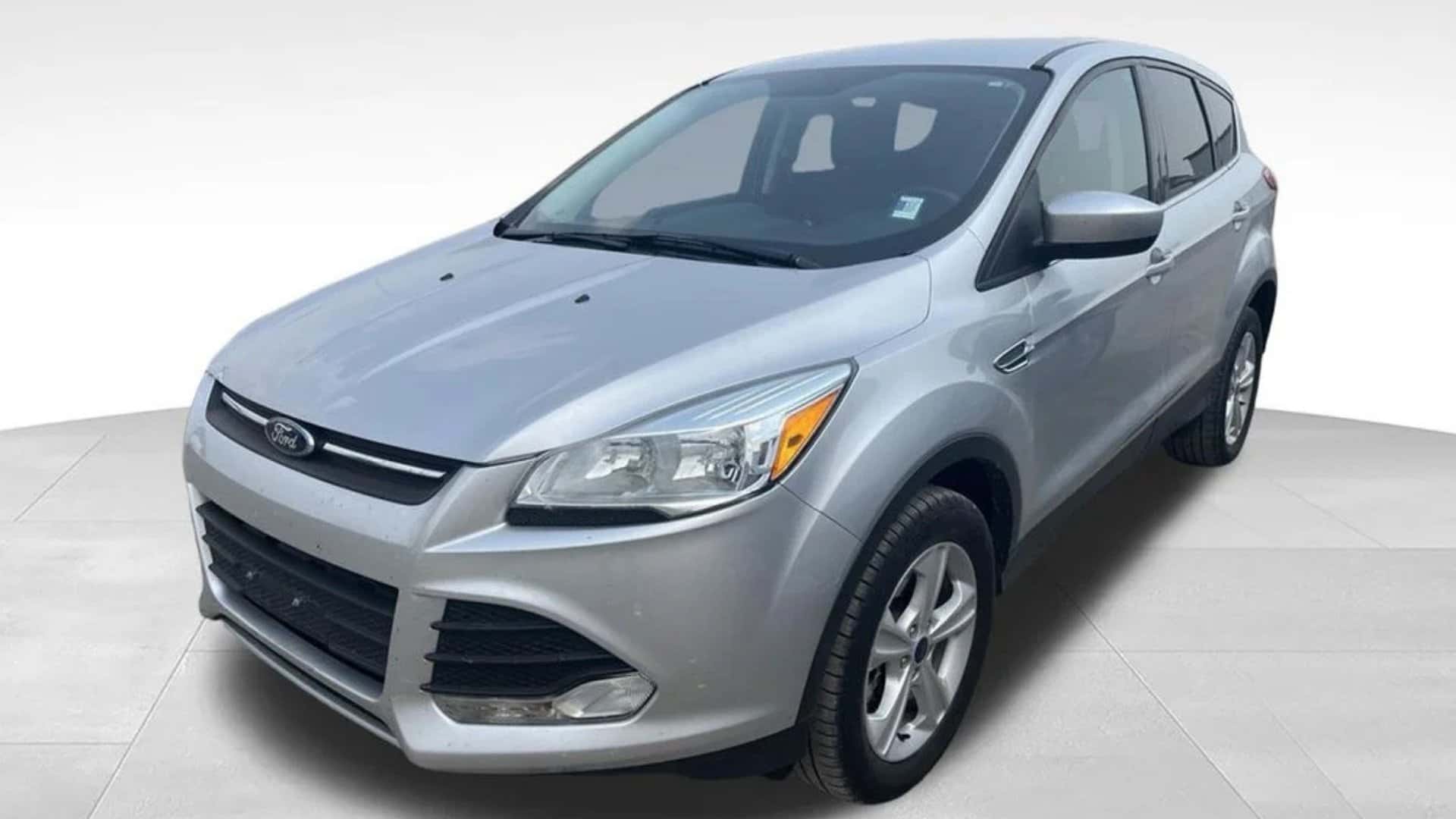
SUVs combine passenger-focused comfort with flexible cargo capacity, a commanding seating position, and capability suited to varied driving conditions. The category includes subcompact crossovers, compact utility vehicles, midsize two-row models, three-row family vehicles, and full-size SUVs designed for substantial passenger or equipment loads. Differences in platform construction, powertrain design, drivetrain hardware, chassis tuning, and cabin configuration allow drivers to select an SUV around specific transportation requirements. Some models prioritize fuel-efficient commuting and manageable dimensions, while others focus on passenger capacity, towing capability, or travel across unpaved terrain. Understanding these distinctions helps shoppers evaluate SUVs through relevant technical characteristics instead of relying only on styling or exterior size.
Modern SUVs incorporate many of the comfort, connectivity, and driver-assistance technologies associated with contemporary passenger cars. Their taller bodies can provide useful headroom, accessible seating positions, and cargo areas shaped to accommodate luggage, recreational equipment, household supplies, or work materials. Available All-Wheel Drive and Four-Wheel Drive systems can improve traction on wet pavement, gravel, snow-covered roads, and other low-grip surfaces. Folding seatbacks, adjustable cargo floors, configurable second rows, and available third-row seating add flexibility for changing passenger and storage needs. These characteristics make sport utility vehicles suitable for commuters, families, outdoor travelers, and drivers who need one vehicle to perform several transportation functions.
SUV Categories and Structural Design
SUV classification depends on more than exterior dimensions because construction methods, seating layouts, and intended operating conditions vary throughout the segment. Many crossover SUVs use unibody construction that integrates the body and primary structure into one assembly, supporting efficient packaging and passenger-focused handling. Larger utility vehicles may use body-on-frame construction derived from truck engineering, particularly when towing strength, load management, and off-pavement durability are major design goals. Wheelbase, track width, roof height, overhang length, and ground clearance also influence cabin space, maneuverability, stability, and trail geometry. Comparing these structural elements provides a clearer picture of how an SUV will function than category labels alone.
Subcompact and Compact SUVs
Subcompact and compact SUVs balance manageable exterior dimensions with more cargo flexibility than many small passenger cars. Their shorter overall length can simplify parking, urban navigation, and garage placement, while a taller roofline may provide practical passenger headroom. Most SUVs in these classes use Front-Wheel Drive-based unibody platforms, with All-Wheel Drive available on many configurations. Four-cylinder engines are common and may use naturally aspirated, turbocharged, hybrid, or plug-in hybrid technology. Buyers should compare rear-seat legroom, cargo-floor length, liftgate clearance, and outward visibility because similarly sized vehicles can differ considerably in cabin usability.
Compact SUVs often provide a practical balance between everyday efficiency and general-purpose utility. Split-folding rear seats allow drivers to exchange passenger capacity for cargo length when transporting larger items. Some models include adjustable cargo floors, concealed storage compartments, washable surfaces, or seatbacks designed to create a nearly level loading area. Tire size, suspension tuning, wheelbase, and steering calibration can vary by trim, influencing ride comfort and handling response. Evaluating these details helps identify a compact SUV that fits routine commuting, family travel, and occasional cargo requirements.
Midsize and Three-Row SUVs
Midsize SUVs provide additional passenger room, cargo capacity, and available powertrain capability while remaining more manageable than many full-size models. Two-row versions generally dedicate more interior length to rear-seat comfort and storage, while three-row designs add seating for larger households or occasional passengers. Third-row accommodations vary significantly in legroom, floor height, cushion support, head clearance, and access through the second row. Sliding or tilting second-row seats can simplify entry, but their operating range and compatibility with installed child restraints require careful evaluation. Cargo volume behind the third row should also be examined because maximum published capacity generally reflects one or more folded seating rows.
Powertrain choices in this class can include turbocharged four-cylinder engines, six-cylinder engines, conventional hybrids, and plug-in hybrid systems. Greater passenger capacity increases the importance of payload ratings, braking performance, cooling capacity, and suspension control when the SUV is fully occupied. Some midsize SUVs can tow trailers or recreational equipment when properly configured, although capability depends on the engine, drivetrain, cooling system, hitch hardware, and individual vehicle specification. A longer wheelbase may support a smoother highway ride and greater cabin space, but it can also increase the turning circle. A complete test drive should therefore include parking, merging, braking, and travel over varied pavement.
Full-Size and Body-on-Frame SUVs
Full-size SUVs are generally intended for drivers who need substantial passenger space, cargo volume, towing capability, or a combination of these attributes. Many use body-on-frame construction, which mounts the passenger body to a separate ladder-style frame and supports robust utility hardware. Powertrains may include large-displacement gasoline engines, turbocharged engines, or other configurations designed to move heavier vehicles and loads. Available Four-Wheel Drive systems can incorporate low-range gearing, selectable operating modes, and additional traction-management functions. Their larger dimensions require careful consideration of garage clearance, parking space, turning radius, step-in height, and typical driving environment.
These SUVs can provide usable third-row seating and meaningful storage behind the final row, but specific interior measurements remain important. Payload includes occupants, luggage, installed accessories, and trailer tongue weight, so a maximum tow rating should never be considered separately from carrying capacity. Longer bodies and greater curb weight can affect braking distances, fuel consumption, and low-speed maneuverability. Some full-size models use adaptive dampers, air springs, or load-leveling suspension systems to manage body movement and maintain a consistent ride height. Drivers should match the size and capability of a full-size SUV to recurring needs rather than selecting one solely from its highest published performance figures.
SUV Powertrains and Performance Characteristics
Powertrain design shapes acceleration, efficiency, towing response, noise levels, and routine operating characteristics. Engine output is commonly expressed through horsepower and torque, but those figures do not fully describe how an SUV responds in traffic or under load. Transmission ratios, final-drive gearing, curb weight, aerodynamic resistance, and throttle calibration also influence performance. Electrified systems add variables that include battery capacity, motor output, regenerative braking, charging capability, and thermal management. Evaluating the complete propulsion system provides more useful context than comparing a single specification.
Gasoline Engines and Transmission Designs
Naturally aspirated gasoline engines typically provide progressive power delivery without depending on turbocharger boost. Turbocharged engines can generate substantial torque at relatively low engine speeds, supporting responsive acceleration, grade climbing, and highway passing. Engine displacement and cylinder count remain relevant, but software calibration and forced induction allow smaller engines to serve in increasingly capable SUVs. Automatic transmissions may use conventional planetary gears, continuously variable mechanisms, or dual-clutch designs according to the vehicle and its intended driving character. Gear ratios influence launch response, highway engine speed, power delivery, and the frequency of shifts during acceleration.
A gasoline powertrain should be assessed under conditions that resemble expected use, including low-speed traffic, highway merging, hill climbing, and travel with passengers. Some transmissions prioritize smooth operation, while others hold lower gears longer to provide stronger response. Selectable drive modes can adjust accelerator mapping, transmission behavior, steering effort, traction-system intervention, and other vehicle settings. Tow or haul modes may alter shift schedules to manage additional load and reduce unnecessary gear changes on grades. Drivers should also review the specified fuel grade because individual engines can have different operating recommendations.
Hybrid and Plug-In Hybrid SUVs
Hybrid SUVs combine an internal-combustion engine with one or more electric motors to reduce fuel consumption and improve efficiency during low-speed operation. Conventional hybrids replenish their batteries through engine operation and regenerative braking, so they do not require connection to an external power source. Electric motors can provide immediate torque during initial acceleration and assist the gasoline engine as power demand increases. The transition between electric and engine propulsion varies by system, as does brake-pedal feel during energy recovery. Cargo volume and spare-tire placement may also differ from non-hybrid versions when battery components change the floor structure.
Plug-in hybrid SUVs use larger battery packs that can support a period of electric propulsion before gasoline operation becomes necessary. Practical electric range depends on battery capacity, temperature, vehicle speed, accessory use, terrain, and driving technique. Drivers with consistent daily routes may complete many shorter trips with stored electrical energy, while the combustion engine provides additional range for longer travel. Charging time is affected by the power source, onboard charging equipment, battery size, and environmental conditions. Buyers should compare electric range, total system output, cargo packaging, vehicle weight, and charging access when deciding if this powertrain fits their routine.
Towing, Payload, and Load Management
Towing capability varies widely across SUVs and must be matched to the exact vehicle configuration. Engine choice, axle ratio, drivetrain, cooling equipment, hitch class, brake hardware, and wheelbase can influence the approved trailer limit. Trailer tongue weight counts against payload, which also includes occupants, cargo, and installed accessories carried by the SUV. A vehicle with a substantial tow rating may have limited remaining payload after passengers and equipment are added. Proper trailer loading, compatible braking hardware, correct tire pressure, and adherence to stated limits are necessary for controlled operation.
Chassis technologies can assist when an SUV carries weight or travels across uneven surfaces. Trailer-sway mitigation may use selective braking and engine-output adjustments to reduce unwanted trailer movement. Load-leveling suspension can compensate for added weight and help preserve a consistent ride height. Hill-start assistance can limit rollback on an incline, while hill-descent control can regulate speed during steep, low-speed travel. These systems support vehicle control, but correct loading and attentive driving remain essential.
SUV Drivetrains and Chassis Capability
Drivetrain selection affects traction, efficiency, mechanical complexity, and the surfaces an SUV can address. Front-Wheel Drive is common among crossover SUVs because it supports efficient packaging and predictable handling during routine paved-road use. Rear-Wheel Drive appears frequently in larger models designed around towing, balanced power delivery, or truck-based construction. All-Wheel Drive and Four-Wheel Drive both distribute power to four wheels, but the terms generally describe systems with different hardware and operating strategies. Understanding those distinctions helps drivers choose an appropriate level of capability for their normal routes and seasonal conditions.
All-Wheel Drive Systems
All-Wheel Drive systems typically distribute power automatically between the front and rear axles according to available traction and driving demand. Some operate primarily through one axle and engage the second axle when wheel slip is predicted or detected. More advanced designs can vary torque between individual wheels or coordinate with selectable modes for snow, mud, sand, or other surfaces. These systems can improve acceleration and stability on slippery roads, but they cannot create more tire grip than surface conditions allow. Tire construction, tread depth, inflation pressure, and seasonal suitability therefore remain important to overall traction.
The added hardware of All-Wheel Drive can increase vehicle weight and introduce additional maintenance requirements. Differential fluid, transfer-unit fluid, or other driveline components may require inspection or service according to the vehicle’s maintenance schedule. Tire circumference should remain closely matched across all four positions because substantial differences can place stress on some systems. Regular tire rotation helps promote even wear and consistent handling. Drivers should examine the operation and maintenance needs of the complete system instead of treating All-Wheel Drive as a single standardized feature.
Four-Wheel Drive and Off-Pavement Hardware
Four-Wheel Drive systems are common on SUVs intended for demanding trails, deep snow, loose surfaces, and heavy utility use. A two-speed transfer case may provide low-range gearing for controlled movement over steep grades, rocks, mud, or other uneven terrain. Locking differentials can help maintain forward motion when one or more wheels have limited traction. Skid plates, recovery points, underbody protection, and terrain-specific drive modes may accompany an off-road-oriented equipment package. Drivers should follow operating instructions carefully because locked differentials and low-range settings are designed for specific conditions.
Ground clearance is relevant to off-pavement travel, but one measurement does not define total capability. Approach angle describes front-body clearance when climbing onto an obstacle, while departure angle addresses clearance as the rear leaves it. Breakover angle relates to the risk of underbody contact as the vehicle crosses a crest. Wheelbase, suspension travel, overhang length, tire sidewall height, and underbody protection must be considered with those angles. An SUV intended for trail use may also employ specialized dampers and all-terrain tires that influence road noise, ride quality, and paved-surface response.
Ride Quality, Steering, and Braking
SUV handling depends on center of gravity, suspension geometry, wheelbase, tire construction, steering calibration, and electronic stability programming. A taller body can increase weight transfer during cornering, so manufacturers use chassis tuning and stability-control systems to manage vehicle responses. Independent suspension layouts often support passenger comfort and precise wheel control, while solid axles may be selected for durability, articulation, or load management. Larger wheels can create more immediate steering reactions, although lower-profile tires may transmit additional impact harshness over damaged pavement. Wheel and tire selection should therefore account for comfort, handling, surface conditions, and replacement requirements.
Braking performance is influenced by curb weight, carried load, brake size, tire traction, road condition, and vehicle speed. Antilock braking helps prevent wheel lock during hard stops, while electronic brake-force distribution adjusts braking effort among the wheels. Brake-assist functions can increase hydraulic pressure when the system detects an emergency braking input. Hybrid and electric systems may also use regenerative braking to recover energy before or alongside the friction brakes. A test drive should include smooth stops, low-speed maneuvering, and controlled highway-speed deceleration to evaluate pedal response and overall composure.
SUV Interior Utility and Technology
The practical value of SUVs depends heavily on how their cabins accommodate passengers, cargo, devices, and changing daily demands. Seating capacity alone does not define comfort because cushion height, legroom, shoulder room, roof shape, and floor design influence usable space. Cargo specifications also require context, particularly when measurements are taken behind different seating rows. Technology can improve convenience and awareness, but interface clarity and control placement remain as important as display size. Ownership evaluation should combine cabin usability with vehicle dimensions, maintenance needs, tire requirements, and expected energy or fuel consumption.
Seating and Cargo Configuration
Two-row SUVs commonly provide seating for five occupants, while three-row models can offer six, seven, or eight positions according to the second-row layout. Captain’s chairs create a center passage and can simplify access to the third row, while a bench seat generally preserves maximum passenger capacity. Folding and sliding mechanisms should be evaluated for effort, floor flatness, and interference with head restraints or front-seat position. Families should confirm that child-restraint anchors remain accessible and that installed seats do not obstruct necessary entry routes. Adult passengers should examine knee room, foot space, thigh support, and head clearance in every seating row they expect to use.
Cargo utility is shaped by liftgate opening width, lift-over height, floor length, roof angle, and wheel-well intrusion. A power liftgate can simplify access when hands are occupied, and adjustable opening height may help inside garages with restricted overhead clearance. Tie-down points, side pockets, underfloor bins, and reversible cargo surfaces can support organized storage. Roof rails can accommodate compatible cargo carriers, but the vehicle’s roof-load limit and the carrier manufacturer’s requirements must be observed. Drivers who routinely carry pets, bicycles, strollers, camping equipment, or work supplies should evaluate those specific loading needs instead of relying solely on volume figures.
Connectivity and Driver Interfaces
Infotainment systems in current SUVs can combine audio, navigation, smartphone integration, communication functions, and vehicle settings. Display placement should permit quick viewing without requiring the driver to look far from the road. Physical controls for frequently used climate and audio functions can reduce reliance on layered touchscreen menus. USB ports, wireless charging surfaces, and household-style power outlets vary by trim and seating row. Drivers who regularly travel with passengers should confirm device access throughout the cabin instead of evaluating only the front console.
Digital instrument displays can present speed, navigation prompts, trip data, driver-assistance status, and hybrid energy flow where applicable. Head-up displays may project selected information into the driver’s forward field of view. Camera systems can support parking by showing rear, front, side, or overhead perspectives according to the installed equipment. Image clarity, lens placement, lighting, and poor-weather performance affect the usefulness of these views. Buyers should verify that menus, warnings, and steering-wheel controls remain understandable during an extended drive.
Driver-Assistance and Visibility Systems
SUVs may offer forward-collision alerts, automatic emergency braking, blind-spot monitoring, lane-departure warnings, lane-centering support, and adaptive cruise control. Availability and operating capability vary among models, configurations, and equipment packages. Some systems function only within defined speed ranges or when cameras can clearly detect lane markings and surrounding objects. Cameras, radar units, and ultrasonic sensors also have environmental and detection limits. Drivers remain responsible for vehicle control and should understand the warnings, interventions, and settings associated with each feature.
Vehicle dimensions make outward visibility and parking support particularly relevant when comparing SUVs. Rear cross-traffic alerts can assist while backing from a parking space, while surround-view cameras may help clarify the vehicle’s position near curbs or obstacles. Parking sensors can provide audible or visual proximity warnings, although low, narrow, or moving objects may not always be recognized. Automatic high beams and adaptive lighting functions can support nighttime visibility under suitable conditions. Each technology should be treated as a supplemental aid rather than a substitute for direct observation and attentive driving.
SUV Maintenance and Long-Term Suitability
Routine SUV ownership can include engine oil service where applicable, tire rotation, brake inspection, fluid checks, filter replacement, and adherence to manufacturer-defined maintenance intervals. All-Wheel Drive and Four-Wheel Drive vehicles may require additional attention for transfer cases, differentials, or related driveline components. Matching tire size, type, tread depth, and circumference is particularly important for many All-Wheel Drive systems. Larger wheels and specialized performance or all-terrain tires can affect ride quality, replacement planning, and seasonal capability. SUVs used for towing, dusty-road travel, short trips, or severe-temperature operation may have maintenance requirements associated with those conditions.
Long-term suitability begins with choosing dimensions and equipment that correspond to regular transportation needs. A vehicle used primarily for commuting may benefit from compact proportions and an efficient powertrain, while recurring passenger or cargo demands may support selecting a larger cabin. Drivers who encounter snow, unpaved routes, or recreational access roads should assess tires and drivetrain design alongside ground clearance. Towing plans require careful consideration of trailer limits, hitch equipment, payload capacity, and intended passenger loads.
Schedule a Test Ride at Quality Motors of Hamilton
Visit Quality Motors of Hamilton in Hamilton, MT, to examine SUVs with different cabin layouts, drivetrain designs, cargo configurations, and capability levels. We can help you compare vehicle dimensions, seating access, powertrain response, technology controls, and storage features. Our team can also assist with evaluating visibility, ride comfort, braking feel, parking ease, and highway behavior during a test drive. We invite you to inquire about available sport utility vehicles and discuss the characteristics that align with your passenger, cargo, and driving requirements. Schedule a visit to compare suitable SUV configurations in person.