

Sedans in Hamilton, MT
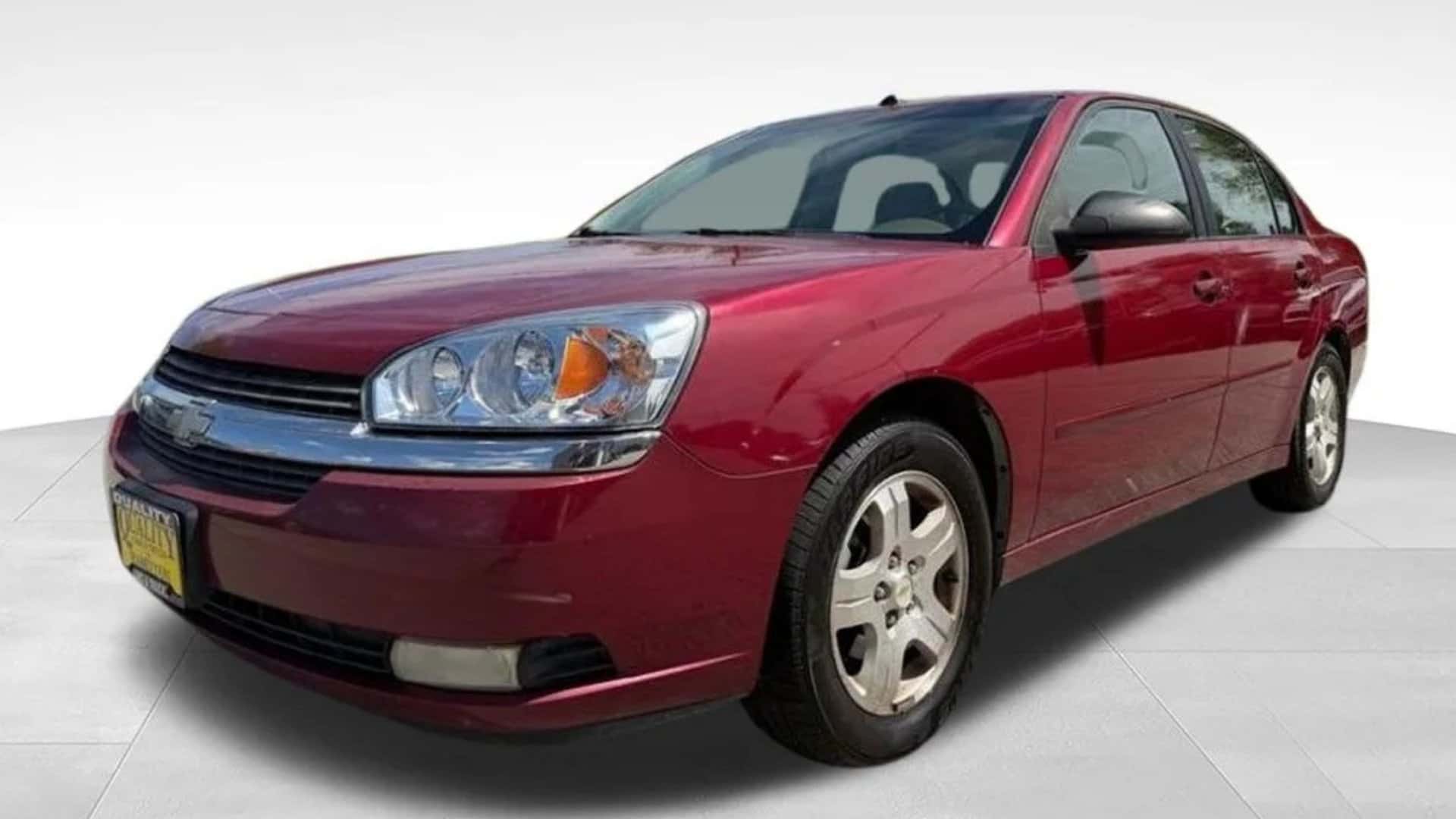
Sedans continue to serve as a major passenger-vehicle category because they combine enclosed comfort, balanced road manners, manageable exterior dimensions, and useful interior space. A conventional sedan uses a three-box body structure that separates the engine compartment, passenger cabin, and cargo area into distinct zones. This configuration supports predictable weight distribution, a secure trunk, and an aerodynamic roofline intended primarily for paved-road driving. Modern sedans range from compact commuter vehicles to midsize family cars, full-size passenger models, sport-oriented variants, and premium luxury vehicles. Depending on the model and configuration, sedan engineering may include gasoline engines, hybrid powertrains, battery-electric propulsion, advanced driver-assistance technology, connected infotainment, and carefully calibrated chassis components.
Sedan Categories and Body Design
Sedan classifications help drivers compare passenger capacity, exterior dimensions, maneuverability, performance, and expected use. Compact sedans generally emphasize efficient packaging and convenient placement in traffic, while midsize vehicles provide additional cabin room and cargo capacity. Full-size sedans typically use longer wheelbases and wider bodies to create more rear-seat space and greater passenger comfort. Sport and luxury variants may add higher-output powertrains, specialized suspension tuning, upgraded cabin materials, and expanded technology systems.
Compact Sedans
Compact sedans place passenger accommodations and practical cargo capacity within relatively modest exterior dimensions. Their shorter overall length can make them easier to maneuver on urban streets, in crowded parking areas, and through narrow residential spaces. Many compact models use four-cylinder engines, continuously variable transmissions, conventional automatic transmissions, manual transmissions, or hybrid systems calibrated for smooth daily operation. Front-Wheel Drive is common because it packages the engine and transmission efficiently while supporting predictable traction during routine driving. Interior design usually emphasizes clear controls, accessible storage compartments, and folding rear seatbacks that expand the usable cargo area beyond the trunk.
Midsize and Full-Size Sedans
Midsize sedans generally provide greater legroom, shoulder room, trunk volume, and wheelbase length than compact models. These dimensions can support improved comfort during longer trips while preserving the lower seating position and stable handling associated with a traditional passenger car. Full-size sedans extend this approach through larger cabins, wider seating surfaces, and additional space for rear occupants. Powertrain options may include naturally aspirated engines, turbocharged four-cylinder units, six-cylinder configurations, hybrid systems, and other designs matched to the vehicle’s size and intended performance.
Sport and Luxury Sedans
Sport sedans place greater emphasis on acceleration, steering precision, braking response, and controlled body movement. They may use higher-output engines, performance-calibrated transmissions, larger brakes, firmer suspension settings, limited-slip differentials, and tires designed for responsive handling. Luxury sedans typically combine mechanical refinement with additional sound insulation, upgraded cabin surfaces, power-adjustable seating, and more sophisticated climate-control systems. Some models combine sport and luxury characteristics by providing strong acceleration alongside a quiet and extensively equipped passenger compartment.
Sedan Powertrains and Road Performance
Powertrain design determines how a sedan accelerates, transfers power to the pavement, and uses fuel or stored electrical energy under changing driving conditions. Engine output figures provide useful reference points, but vehicle weight, transmission programming, axle ratios, and torque delivery also shape performance. A lower-output sedan with well-matched gearing can provide responsive operation in routine traffic, while a higher-output vehicle may be configured for stronger highway passing or sport-focused acceleration. Drivetrain layout influences traction and handling balance, particularly during rain, snow, or rapid directional changes.
Gasoline Engines and Turbocharging
Naturally aspirated gasoline engines produce power without exhaust-driven forced induction and often deliver progressively stronger response as engine speed increases. Turbocharged engines use exhaust energy to compress incoming air, allowing a smaller displacement to produce greater torque under appropriate operating conditions. Many modern sedans employ direct fuel injection, variable valve timing, electronic throttle control, and computerized engine management to coordinate output and efficiency. Cylinder configuration, displacement, boost pressure, cooling capacity, and transmission tuning influence how an engine behaves during acceleration and sustained highway operation.
Hybrid and Electric Sedans
Hybrid sedans combine an internal-combustion engine with one or more electric motors, a traction battery, and electronic power-control hardware. The electric motor can assist during acceleration, recover energy through regenerative braking, and reduce the engine’s workload under selected operating conditions. Plug-in hybrid sedans add external charging capability and a larger battery designed to support a period of electric driving before the gasoline engine provides additional range. Battery-electric sedans remove the combustion engine and depend on electric motors, high-voltage battery packs, thermal-management equipment, onboard charging hardware, and power electronics.
Front-Wheel, Rear-Wheel, and All-Wheel Drive
Front-Wheel Drive sedans route engine or motor output through the front wheels, creating an efficient layout that can leave more space available for occupants. Rear-Wheel Drive models separate steering and propulsion duties between the axles, a configuration that can support balanced handling and controlled acceleration in performance applications. All-Wheel Drive sedans can distribute torque across both axles to improve traction when road surfaces become wet, icy, snowy, or loose. All-Wheel Drive does not replace suitable tires or careful vehicle control, but it can assist with initial acceleration and directional stability in difficult conditions.
Sedan Cabin Design, Technology, and Safety
Sedan interiors are shaped by seating geometry, dashboard design, roof contour, wheelbase, and the placement of mechanical or electrical components. A low roofline can support aerodynamic performance, but it also makes headroom, door height, and entry clearance important considerations. Technology systems influence much of the modern cabin, including audio, navigation, climate functions, driver information, and vehicle settings. Safety equipment combines structural protection with electronic systems developed to help drivers identify and respond to selected hazards.
Seating, Visibility, and Cargo Access
A well-designed sedan positions the driver for clear forward sightlines, comfortable pedal reach, and straightforward access to primary controls. Seat height, cushion length, lumbar support, steering-column adjustment, and mirror coverage can affect comfort during short trips and extended highway travel. Rear-seat passengers benefit from adequate knee clearance, foot space, door-opening width, and headroom beneath the roof. The separate trunk keeps cargo outside the main passenger compartment and can provide a broad, secure storage floor. Split-folding rear seatbacks, a center pass-through, wide trunk hinges, and a low liftover height can improve flexibility when carrying longer or bulkier items.
Infotainment and Connectivity
Infotainment systems commonly integrate audio controls, smartphone connectivity, navigation functions, voice commands, and vehicle settings through a central display. Screen size does not determine usability by itself because menu organization, processing speed, physical controls, and display placement also affect operation. USB connections, wireless device integration, Bluetooth® capability, and charging surfaces can support daily use, although compatibility may vary by device and software version. Digital instrument displays may present speed, energy consumption, driver-assistance status, trip information, and maintenance data through selectable layouts.
Driver-Assistance and Occupant Protection
Modern sedans may include forward-collision alerts, automatic emergency braking, lane-departure warnings, lane-centering assistance, blind-spot monitoring, rear cross-traffic alerts, and adaptive cruise control. These systems use combinations of cameras, radar sensors, ultrasonic sensors, and electronic control modules to monitor selected areas around the vehicle. Their performance can be affected by weather, road markings, sensor cleanliness, calibration, operating speed, and surrounding traffic. Passive protection may include a reinforced passenger structure, energy-absorbing crumple zones, seat belts with pretensioners, adjustable head restraints, and multiple airbag locations. Drivers remain responsible for vehicle control, so assistance technology should be treated as supplemental support rather than a replacement for attentive operation.
Sedan Ownership and Vehicle Evaluation
Selecting a sedan requires attention to mechanical condition, passenger fit, operating requirements, and the environment in which the vehicle will be driven. A commuter may emphasize efficiency and convenient parking, while a household carrying several occupants may prioritize rear-seat room and trunk accessibility. Drivers in areas with winter weather may place greater importance on tire condition, ground clearance, heating performance, defrosting capability, and available All-Wheel Drive. Long-distance users may focus on seat comfort, highway stability, cabin noise, visibility, and driver-assistance features.
Inspection and Maintenance Considerations
A pre-owned sedan should be assessed for engine operation, transmission behavior, fluid condition, braking response, steering feel, suspension noise, and tire wear. Uneven tire wear can indicate alignment concerns, worn suspension components, incorrect inflation, or differences among the installed tires. Service records can provide useful context about oil changes, cooling-system maintenance, brake work, battery replacement, and other completed procedures. Hybrid and electric sedans require additional attention to traction-battery condition, charging operation, thermal management, electrical components, and model-specific inspection procedures. Exterior panels, glass, lighting, cabin electronics, climate controls, door seals, and trunk seals should also be examined for damage and proper function.
Tire, Brake, and Suspension Characteristics
Tires form the sedan’s direct connection with the road, so tread depth, age, construction, size, inflation, and seasonal suitability affect acceleration, braking, steering, and ride quality. Low-profile tires can sharpen steering response but may transmit more pavement impact into the cabin than tires with taller sidewalls. Sedan brake systems commonly use ventilated front discs, rear discs or drums, an antilock braking system, electronic brake-force distribution, and stability-control integration. Suspension designs vary, although many sedans use an independent front arrangement with either an independent or torsion-beam rear configuration. The resulting ride depends on spring rates, damper calibration, bushing design, wheelbase, vehicle mass, body rigidity, and wheel-and-tire selection.
Test-Drive Evaluation
A useful sedan test drive should include low-speed maneuvering, steady cruising, moderate acceleration, controlled braking, and travel across several pavement surfaces. The engine should start consistently, idle smoothly, and respond without unusual hesitation, vibration, smoke, noise, or warning indicators. Transmission operation should feel appropriate for its design, while steering should track predictably without excessive looseness or persistent pulling. Drivers should listen for suspension clunks, wheel-bearing noise, wind intrusion, brake vibration, tire hum, and interior rattles. Cabin comfort, control placement, rearward visibility, parking ease, throttle response, and trunk access should be evaluated alongside mechanical performance.
Visit Quality Motors of Hamilton for a Test Ride
Our team can help you review available sedans and compare the passenger space, drivetrain configuration, technology, and driving characteristics of individual vehicles. Visit Quality Motors of Hamilton in Hamilton, MT, to inspect current options and identify the body size and feature set that fit your transportation needs. We encourage you to examine seating comfort, trunk access, control placement, tire condition, and available maintenance information before selecting a vehicle. A test drive can provide useful insight into acceleration, braking, visibility, ride quality, cabin noise, and general usability. Contact us to inquire about sedan availability or arrange a convenient time to evaluate a vehicle.