

New Vehicles in Hamilton, MT
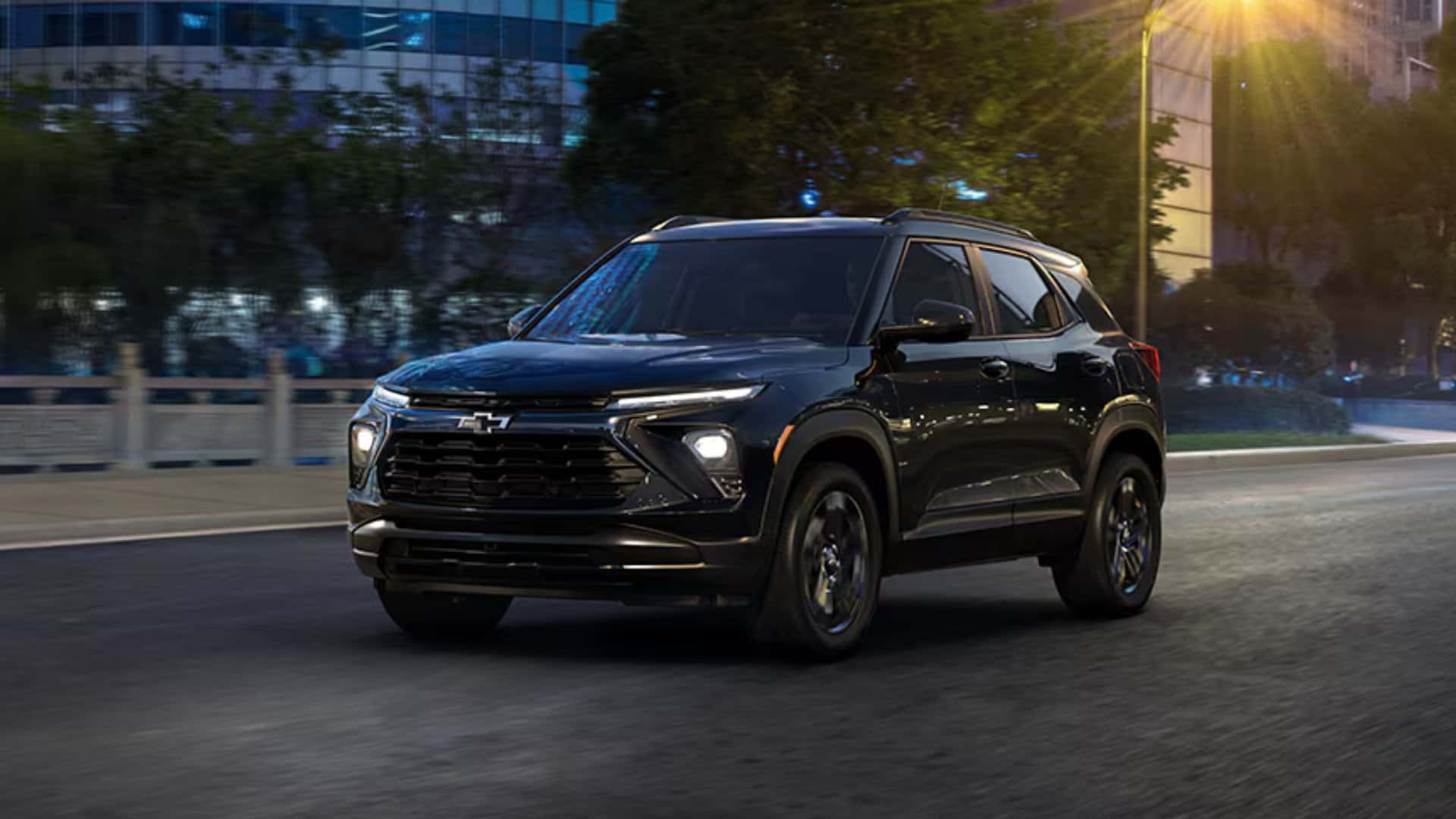
New vehicles provide access to current engineering, updated structural designs, modern connectivity, and the latest generation of driver-assistance technology. This broad category includes passenger cars, crossovers, SUVs, pickup trucks, vans, hybrid models, plug-in hybrids, and battery-electric vehicles developed for different transportation requirements. Buyers can compare body configurations, powertrains, drivetrains, dimensions, capability ratings, and cabin equipment before selecting an appropriate model. Careful evaluation is important because differences in vehicle design can affect passenger comfort, cargo utility, energy consumption, handling, and everyday usability.
Current new vehicles reflect continued advances in engine management, transmission calibration, structural engineering, aerodynamics, and electronic control systems. Turbocharged engines, electrified powertrains, advanced All-Wheel Drive systems, digital displays, and configurable safety technologies are now available across multiple vehicle segments. Exact equipment varies by model, trim level, drivetrain, and production specification, so the details of each vehicle should be reviewed individually. Buyers should also consider passenger capacity, cargo measurements, ground clearance, towing requirements, efficiency, and expected driving conditions. Understanding these technical and functional differences supports a more precise selection process and helps align a vehicle with long-term ownership needs.
New Vehicle Categories and Body Configurations
New vehicles are organized into categories that reflect their structure, passenger capacity, cargo layout, and intended operating environment. Sedans and hatchbacks commonly emphasize road manners and efficient packaging, while crossovers and SUVs provide taller cabins and flexible storage areas. Pickup trucks introduce open-bed utility, higher capability potential, and specialized configurations for hauling or trailering. Vans focus on passenger volume, cargo access, or commercial adaptability, depending on their design and interior arrangement. Comparing these categories provides a practical starting point before examining powertrains, trim packages, technology systems, or appearance features.
Sedans, Hatchbacks, and Passenger Cars
Sedans typically use a three-box layout with distinct areas for the powertrain, passenger compartment, and enclosed trunk. This configuration can support predictable handling, a relatively low center of gravity, and controlled aerodynamic performance during highway travel. Hatchbacks use a rear liftgate and a larger cargo opening, allowing bulkier items to be loaded after the rear seats are folded. Passenger cars may offer Front-Wheel Drive, Rear-Wheel Drive, or All-Wheel Drive, with each layout producing different traction and handling characteristics. Buyers comparing new vehicles in this category should examine rear-seat space, trunk or cargo volume, seating ergonomics, outward visibility, and available powertrain choices.
Crossovers and SUVs
Crossovers generally use unibody construction, which combines the body and structural framework into an integrated platform designed to support passenger comfort and efficient interior packaging. SUVs may use either unibody or body-on-frame construction, depending on their intended balance of road refinement, towing strength, durability, and off-pavement capability. Compact models prioritize maneuverability and parking ease, while midsize and full-size designs can provide additional seating, storage capacity, and trailering potential. Available All-Wheel Drive or Four-Wheel Drive systems may improve traction on snow, gravel, mud, and uneven surfaces, although system design and operation differ among vehicles. Relevant comparison points include ground clearance, approach and departure geometry, cargo-floor height, third-row access, tire specifications, and suspension calibration.
Pickup Trucks and Utility Vehicles
Pickup trucks are produced in multiple cab, bed, wheelbase, engine, transmission, and drivetrain combinations, creating meaningful differences in passenger space and working capability. Payload describes the amount of weight a truck can carry within its rated limits, while towing capacity relates to the trailer load it is engineered to pull under specified conditions. These ratings depend on equipment such as the engine, axle ratio, cooling system, hitch arrangement, braking components, and installed capability packages. Four-Wheel Drive systems, locking differentials, selectable drive modes, and underbody protection may support operation on loose or uneven terrain. Buyers should match the exact truck configuration to the intended passenger, cargo, and trailering demands instead of relying solely on the highest rating associated with a model line.
New Vehicle Powertrains and Performance Systems
Powertrain selection has a direct effect on acceleration, efficiency, operating characteristics, and capability. Current new vehicles may use naturally aspirated gasoline engines, turbocharged engines, diesel engines, conventional hybrid systems, plug-in hybrid systems, or fully electric propulsion. Transmission designs include conventional automatics, continuously variable units, dual-clutch systems, and single-speed electric drive arrangements. Each configuration delivers power differently and may be calibrated for smooth commuting, responsive performance, heavy-duty operation, or reduced energy consumption. Examining the complete propulsion system provides more useful context than considering horsepower, torque, or engine displacement in isolation.
Engine Output and Torque Delivery
Horsepower indicates the rate at which an engine can perform work, while torque describes the rotational force available to move the vehicle or support load-related demands. Turbocharging can increase output from a smaller displacement by forcing additional air into the engine, although boost response and power delivery vary among applications. Naturally aspirated engines often provide progressive response without relying on turbocharger boost pressure. Diesel engines are commonly associated with substantial low-speed torque in applications designed for towing, hauling, or commercial use. Engine output should be evaluated alongside vehicle weight, gearing, traction, cooling capacity, and the conditions in which the new vehicle will normally operate.
Transmissions and Drivetrain Layouts
Automatic transmissions use multiple gear ratios to keep the engine within an effective operating range as vehicle speed and load change. Continuously variable transmissions adjust their ratios across a broad range and often emphasize smooth operation and efficient engine management. Dual-clutch transmissions use separate clutches for alternating gear sets, which can support quick gear changes in performance-oriented applications. Front-Wheel Drive packages the engine and driven wheels near the front of the vehicle, while Rear-Wheel Drive can provide balanced power delivery for certain performance and utility designs. All-Wheel Drive and Four-Wheel Drive add traction capability, but buyers should review how each system engages, distributes torque, and influences efficiency.
Hybrid and Electric New Vehicles
Hybrid vehicles combine an internal-combustion engine with one or more electric motors to reduce fuel use and recover energy during deceleration. Plug-in hybrids use a larger battery that can be charged externally and may provide a limited amount of electric-only travel before the gasoline engine is needed. Battery-electric vehicles operate through electric motors without an onboard gasoline engine, producing immediate torque and low propulsion noise. Charging speed, usable battery capacity, estimated driving range, temperature effects, and access to suitable charging equipment are important ownership considerations. Hybrid and electric models should be evaluated according to normal trip length, regional climate, passenger load, cargo needs, and available charging arrangements.
Technology, Safety, and Cabin Equipment
New vehicles increasingly integrate mechanical components with cameras, radar sensors, digital controls, software, and networked cabin features. These technologies can improve situational awareness, simplify routine functions, and provide configurable information to the driver. Equipment levels vary considerably, and similar feature names do not always indicate identical operation across manufacturers or models. Drivers should understand the capabilities and limitations of each system rather than assuming automated functions replace attentive vehicle control. A thorough test drive can reveal how clearly the controls, alerts, displays, and assistance systems communicate during routine driving.
Driver-Assistance and Active Safety Systems
Modern driver-assistance equipment may include forward-collision alerts, automatic emergency braking, blind-spot monitoring, lane-departure warnings, lane-centering assistance, and adaptive cruise control. Some new vehicles add rear cross-traffic alerts, surround-view cameras, parking sensors, driver-attention monitoring, or traffic-sign recognition. These systems rely on sensors that can be affected by dirt, heavy precipitation, road markings, glare, or obstructed camera views. Activation methods, warning thresholds, steering support, and braking intervention can also differ by trim level and equipment package. Buyers should review the controls and operating characteristics carefully so that each assistance feature is understood and used as intended.
Connectivity and Digital Interfaces
Infotainment systems commonly combine audio controls, smartphone integration, navigation functions, vehicle settings, and communication features within a central display. Screen size alone does not determine usability because menu organization, processing speed, physical controls, and display placement also influence driver interaction. Digital instrument clusters may allow drivers to configure vehicle data, navigation prompts, safety alerts, and energy-use information. USB ports, wireless charging pads, voice commands, and connected functions can further affect cabin convenience, although availability varies among new vehicles. Shoppers should confirm device compatibility and test frequently used functions while the vehicle is stationary.
Comfort and Interior Design
Seat design, adjustment range, cushioning, material selection, and driving position all influence comfort during short trips and extended travel. Available equipment may include power-adjustable seats, heating, ventilation, memory settings, multi-zone climate control, and adjustable ambient lighting. Cabin quietness depends on body sealing, glass construction, tire design, aerodynamic management, and the isolation of engine or road vibration. Storage bins, cupholders, door pockets, console space, and rear-seat folding mechanisms contribute to everyday practicality. An interior evaluation should include access to each seating row, headroom, legroom, control placement, child-seat accommodation, and cargo-loading requirements.
New Vehicle Capability and Ownership Considerations
Selecting among new vehicles requires close attention to specifications that influence daily operation and long-term suitability. Exterior dimensions affect parking and maneuverability, while interior measurements determine passenger and cargo accommodation. Curb weight, wheelbase, track width, suspension design, wheel size, and tire type contribute to ride and handling behavior. Capability figures must be interpreted according to the exact configuration because powertrain and equipment choices can change a vehicle’s ratings. Ownership planning should begin with intended use and continue through a detailed review of individual specifications and operating requirements.
Towing, Payload, and Cargo Utility
Towing and payload requirements are especially important for trucks, SUVs, vans, and utility-focused crossovers. A vehicle’s towing rating can depend on its powertrain, axle ratio, drivetrain, cooling hardware, hitch components, and braking equipment. Payload includes occupants, cargo, accessories, and trailer tongue weight, so every added item uses part of the vehicle’s rated carrying capacity. Cargo volume provides a useful comparison, but the shape of the load floor, lift-over height, seat-folding arrangement, and door opening can be equally important. Buyers planning to carry equipment or pull a trailer should examine the certification labels and specifications for the individual new vehicle rather than relying on generalized model information.
Ride, Handling, and Terrain Use
Suspension design determines how a vehicle manages body movement, road impacts, steering response, and tire contact with the driving surface. A comfort-oriented suspension may use softer calibration, while a performance model may apply firmer springs, dampers, bushings, and stabilizer bars. Off-road-focused new vehicles can add increased ground clearance, specialized tires, skid protection, low-range gearing, and traction-management modes. Larger wheels may alter appearance and steering response, but tire sidewall height can influence ride quality and resistance to impact damage. A useful test drive should include typical roads, parking maneuvers, acceleration, braking, low-speed steering, and visibility checks whenever practical.
Efficiency and Routine Ownership Needs
Efficiency is influenced by powertrain design, vehicle mass, aerodynamic drag, tire selection, road speed, temperature, terrain, passenger load, and driving technique. Standardized estimates support comparison among new vehicles, but individual fuel or energy use can vary with operating conditions. Routine ownership also includes monitoring tire pressure, fluid levels, brake condition, battery health, and scheduled maintenance needs. Drivers should consider how easily a vehicle fits their garage, parking area, commuting route, passenger requirements, and regular cargo routines. Choosing appropriate capacity and equipment can limit unnecessary complexity while preserving the functions required for consistent daily use.
Visit Quality Motors of Hamilton to Schedule a Test Ride
Our team can help you compare new vehicles by body style, powertrain, cabin layout, technology, capability, and intended use. Visit Quality Motors of Hamilton in Hamilton, MT, to examine available options and review the details that matter for your driving requirements. We encourage shoppers to inspect seating, cargo access, control placement, visibility, and installed equipment before making a selection. A test drive can provide useful insight into acceleration, braking, steering response, ride quality, and cabin operation. Contact our team to inquire about current availability or arrange a convenient time to evaluate a vehicle.